
Industrial performance in 2026 and beyond is being shaped by how effectively maintenance is managed. What was once a background function is now a key driver of uptime, profitability, and long-term asset performance.
Across construction, manufacturing, and heavy equipment sectors, this shift is driving a move away from purely reactive maintenance toward a more structured mix of reactive, preventive, and predictive strategies, each playing a different role in managing risk and reliability.
At the centre of this evolution are pneumatic and hydraulic systems and the large-scale components that power them. When cylinder-level failures occur, the impact ripples through entire operations.
For plant managers and fleet leaders, understanding where maintenance strategy is heading, and how it is evolving, is essential to staying ahead of operational risk.
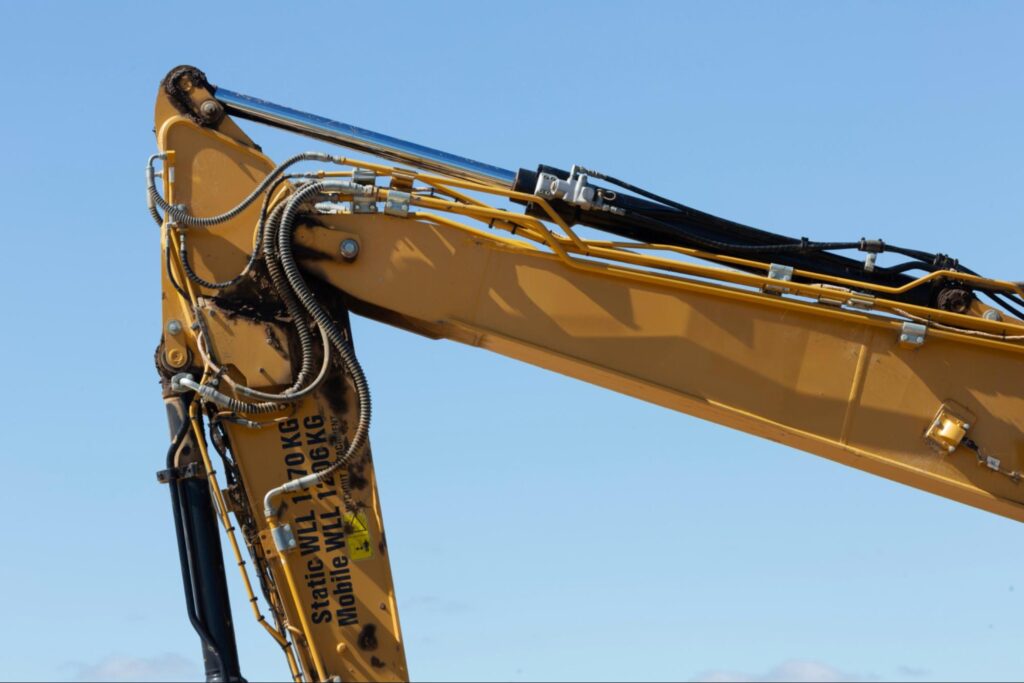
In high-demand environments, maintenance is directly tied to operational success. Organizations are no longer asking whether to invest in their maintenance strategy, but how to optimize it for maximum uptime and cost control.
Downtime remains one of the most significant hidden costs in construction and industrial operations.
Hydraulic and pneumatic system failures, particularly those involving large-bore cylinders, can halt production, delay projects, and create cascading inefficiencies across your entire workflow.
This is why many leading organisations partner with specialist providers like us. They integrate expert repair services into broader maintenance strategies.
A clear understanding of maintenance strategies is essential for any organization aiming to optimize asset performance and minimize downtime.
They are not a one-size-fits-all. Each approach offers distinct advantages and challenges. Knowing how to apply them strategically is critical to operational success:
The most effective maintenance programs integrate reactive, preventive, and predictive approaches into a cohesive strategy that aligns with equipment criticality, operational demands, and business objectives to sustain uptime, control costs, and extend asset life.
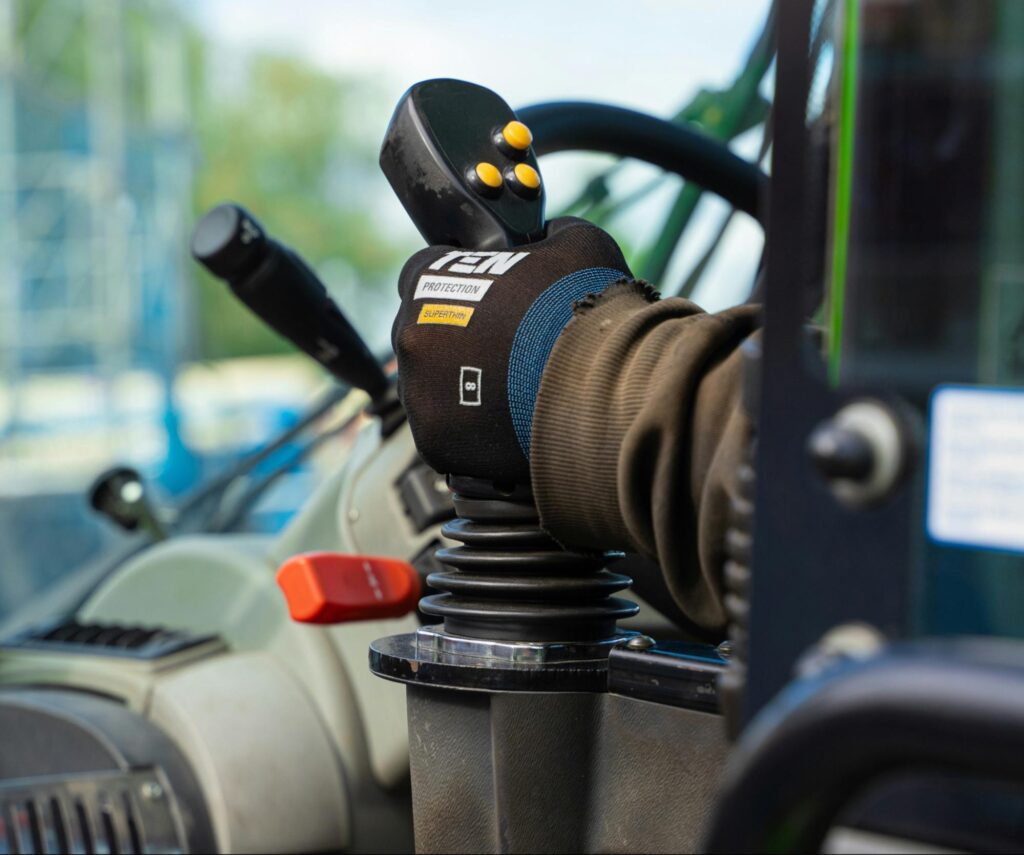
Reactive maintenance continues to present significant challenges for operations teams in 2026, but it also plays an important role within a broader maintenance strategy.
In many environments, not all failures can be predicted or prevented, so reactive maintenance provides the necessary flexibility to respond quickly to unexpected issues, particularly in non-critical systems or where immediate repair is the most practical option.
However, when equipment is only serviced after failure, downtime becomes unpredictable and often prolonged. Repair costs increase, and the likelihood of secondary damage within pneumatic and hydraulic systems rises.
In heavy equipment environments, a failed cylinder can disrupt multiple systems simultaneously, creating a ripple effect that delays production and impacts overall efficiency.
While reactive maintenance is becoming more efficient through improved diagnostics and fast turnaround cylinder repairs, it remains inherently limited when used in isolation.
Top-performing companies are not eliminating reactive maintenance. Instead, they are integrating it into broader strategies that prioritise uptime, planning, and long-term reliability.
Preventive maintenance is also evolving from a routine checklist into a strategic function that supports operational performance.
As equipment complexity increases and uptime expectations grow, organizations are now shifting toward more targeted and efficient maintenance programs.
The focus is on maximizing reliability while minimizing unnecessary service intervals and disruption.
To achieve this, leading organizations take a layered approach, combining system-wide planning at the macro level with targeted interventions at the equipment level to move beyond routine servicing and toward more precise, performance-driven maintenance.
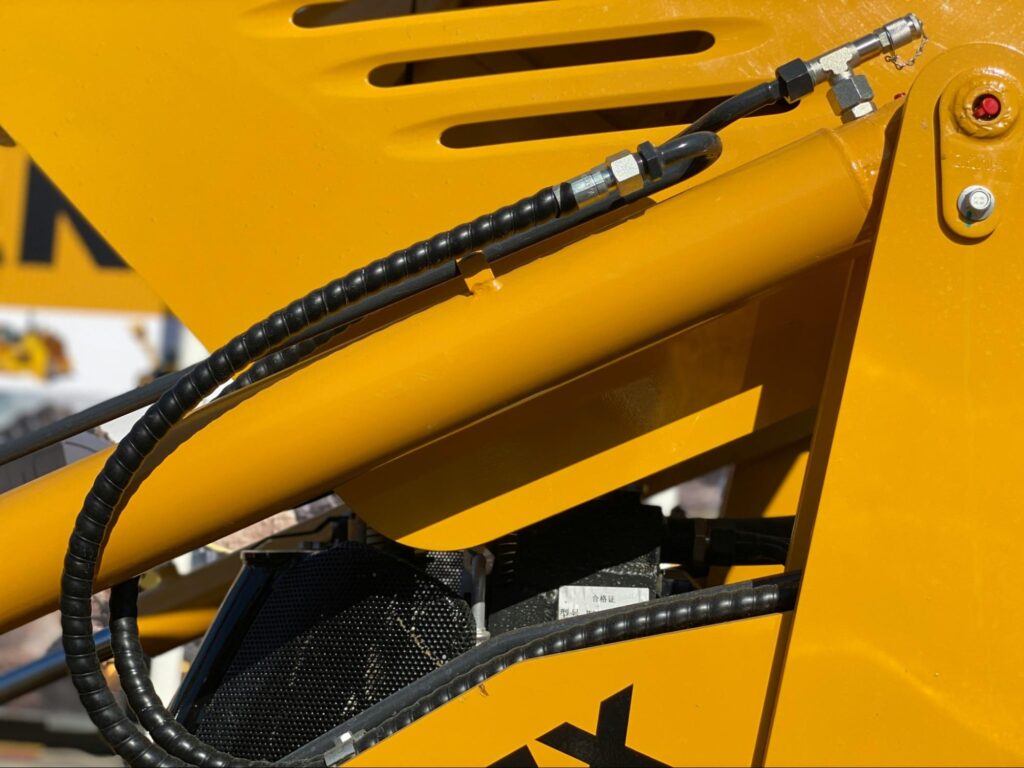
Industrial preventive maintenance has become a cornerstone of modern operations strategy.
Rather than reacting to failures, organizations are implementing structured maintenance programs across fleets and operations to maintain equipment performance and reduce operational risk over time.
This approach is particularly critical in hydraulic systems, where component failure can halt entire workflows. In waste collection fleets, for example, routine servicing of cylinders helps prevent compaction failures and missed collection routes.
A well-executed macro-level preventive maintenance program delivers measurable results by reducing unexpected failures, improving uptime, controlling repair costs, and extending the lifespan of critical equipment.
In fluid power systems in particular, this translates into fewer cylinder failures and more consistent performance under demanding conditions.
Integrating precision cylinder repair and restoration services further strengthens reliability by ensuring components are returned to optimal operating condition.
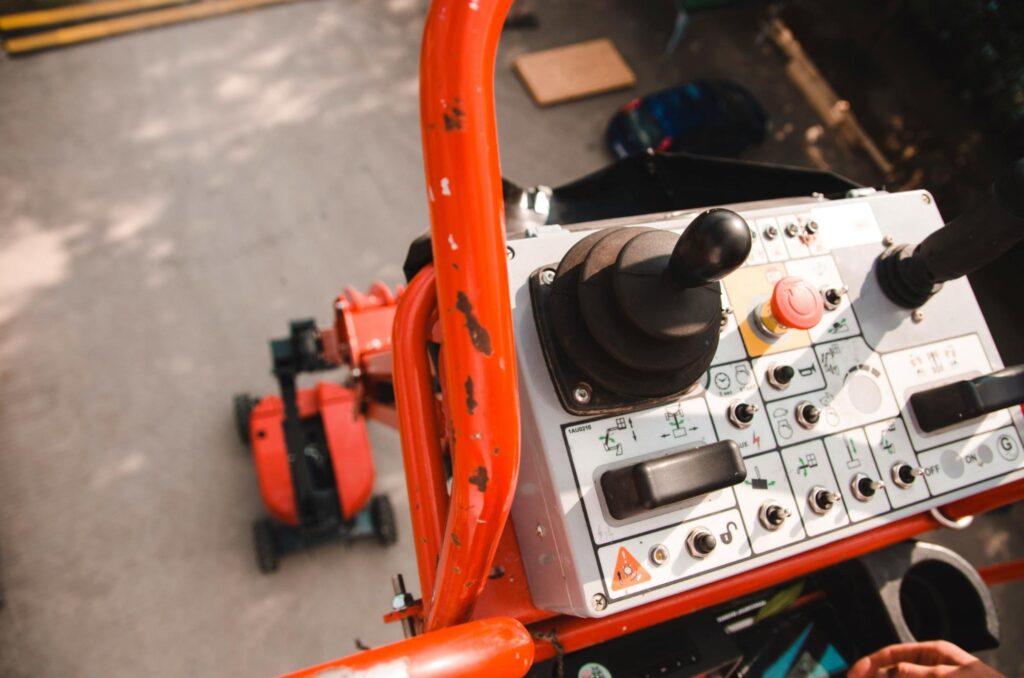
While industrial preventive maintenance focuses on system-wide reliability, equipment-level maintenance targets the individual components that directly influence performance.
At the micro level, preventive maintenance focuses on the components that most impact uptime and reliability, with cylinders among the most critical in heavy machinery.
Effective equipment preventive maintenance requires prioritization, consistency, and specialist expertise.
Maintenance teams focus on high-risk components, implement structured inspection schedules, and use performance data to guide decision-making, while working with hydraulic cylinder repair specialists to reduce failure risk and improve overall equipment reliability.
Technology is playing a central role in advancing preventive maintenance at both operational and equipment levels.
Sensors, IoT-enabled devices, and digital monitoring platforms provide real-time visibility across fleets while also delivering component-level insight into early signs of wear in critical systems such as hydraulic and pneumatic cylinders.
This allows maintenance teams to move from broad monitoring to precise intervention, detecting early-stage degradation before failure occurs. For example, in freight operations using hydraulic tail lift systems, pressure sensors can detect drops in holding force that indicate seal degradation or internal leakage.
This shift toward data-driven maintenance is helping leading operators reduce downtime, improve reliability, and optimise overall performance.
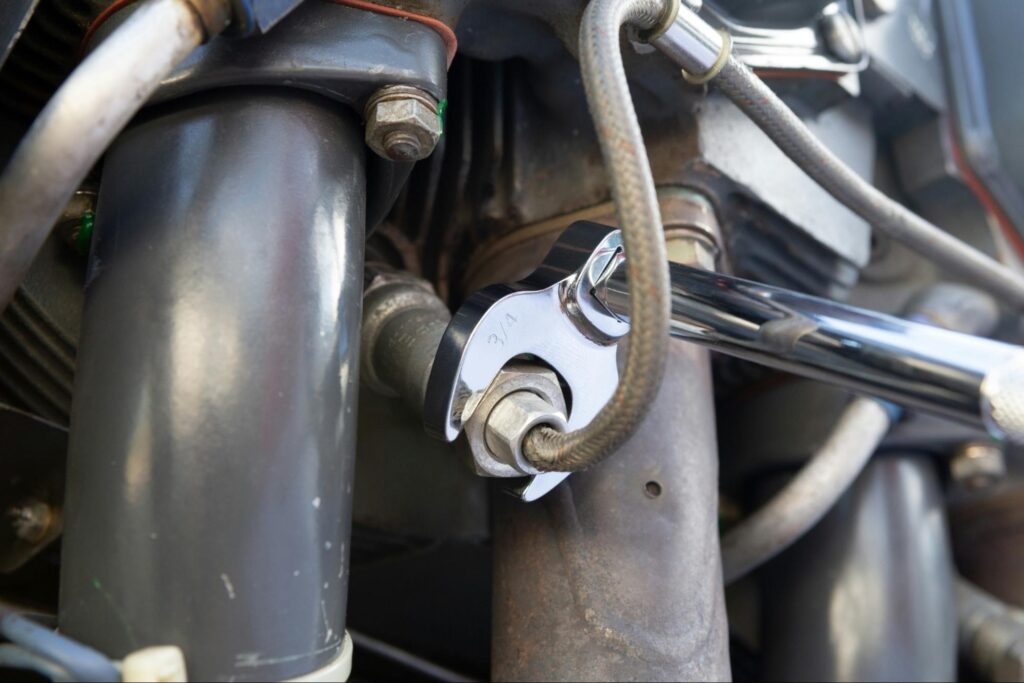
Whether applied at the industrial or equipment level, effective preventive maintenance is built on the same core principles. The difference is scale, not strategy.
Planning, data, and the right tools underpin how maintenance is executed across both entire operations and individual assets. But preventive maintenance planning provides the foundation for effective execution.
Without a clear plan, maintenance activities can become inconsistent, leading to missed opportunities for early intervention and increased risk of failure.
Planning ensures that maintenance efforts are aligned with operational priorities and resource availability.
By scheduling inspections, coordinating repairs, and tracking performance data, you can reduce your downtime and extend the life of your equipment. Minor issues can escalate quickly if left unaddressed.
Digital tools are also transforming how maintenance planning is executed across fleets and facilities:
At the industrial level, modern maintenance management systems allow teams to monitor performance across entire fleets and facilities, schedule preventive work, and analyse trends at scale.
At the equipment level, these same platforms support more targeted execution by linking condition data to specific assets, components, and work orders.
Platforms such as IBM Maximo, Fiix, and UpKeep are widely used by our clients to centralise maintenance data, track work orders, and improve visibility across both assets and operations.
When combined with expedited cylinder repair services, these systems enable faster response times and more informed maintenance decisions.
By linking system-wide condition monitoring with equipment-level workflows, teams can identify issues earlier, prioritise critical repairs, and reduce unplanned downtime across systems and fleets.

Predictive maintenance represents the next phase in the evolution of maintenance strategies.
By leveraging real-time data and advanced analytics, operators can move from fixed-service schedules to condition-based decision-making. This reduces unnecessary maintenance while ensuring emerging issues are identified before they impact performance, production, or uptime.
At a macro level, this enables real-time monitoring of entire fleets, revealing performance trends across assets and operating conditions. At the micro, the same data provides early visibility of component-level degradation in critical systems such as cylinders, pumps, and valves.
Many heavy equipment fleets are already applying this approach. For example, hydraulic pressure and cycle data from refuse collection trucks and articulated haulage equipment are monitored and analysed using AI to detect early indicators of seal wear or internal cylinder bypass, enabling intervention before functional failure occurs.
Predictive maintenance is already widely adopted across heavy equipment operations and is expected to expand further in 2026 as sensor technology, connectivity, and AI-driven analytics become more accessible and cost-effective.
Operators are increasingly using live fleet data to identify failure patterns, forecast component degradation, and optimise maintenance windows. At the equipment level, this enables earlier detection of cylinder wear through subtle changes in pressure retention, response time, and duty-cycle efficiency.
This shift is accelerating the move away from reactive repair cycles toward planned, condition-based maintenance that reduces downtime and extends equipment life.
Artificial intelligence and machine learning are central to the next phase of predictive maintenance, enabling continuous analysis of performance data across fleets and individual assets.
These systems detect anomalies that indicate early-stage pneumatic, hydraulic, or mechanical failure, moving maintenance from fleet-level trend analysis to component-level diagnosis. This allows gradual efficiency loss in systems such as lifting, steering, or braking to be identified before visible failure occurs.
However, even the most advanced predictive systems depend on precise execution in the field. Data can highlight risk, but it cannot deliver repair outcomes.
That’s where we step in. We translate predictive insights into corrective action with operators, ensuring issues are accurately diagnosed, properly resolved, and restored to full specification.
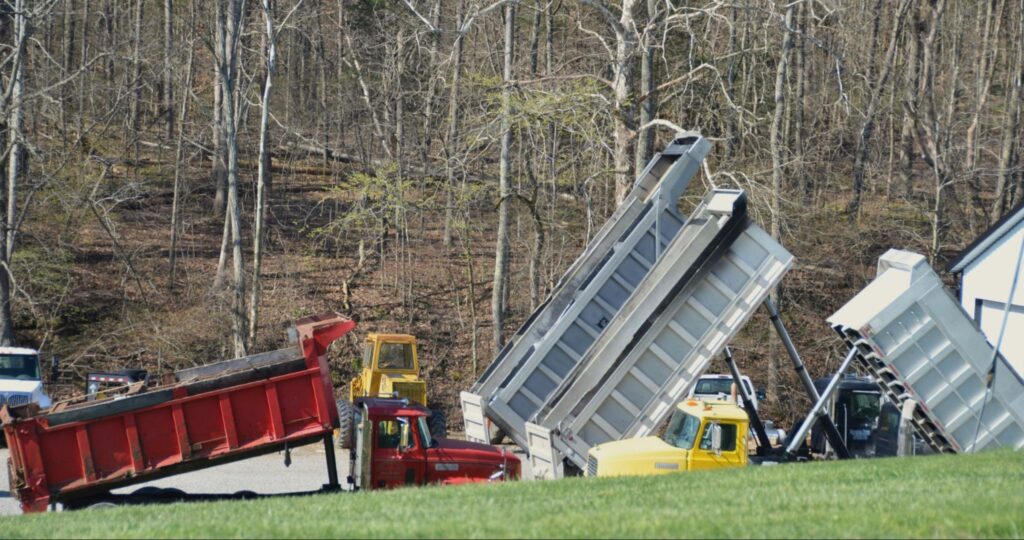
In practice, we see these outcomes consistently across both fleet-level maintenance strategies and individual equipment interventions, and one recent case involved a landfill tipper cylinder used in heavy-duty waste handling operations.
At the fleet level, this equipment is typically managed through scheduled servicing and usage-based monitoring, but this unit developed reduced efficiency and inconsistent operation under load due to internal wear and seal degradation.
In high-cycle waste and industrial handling environments, issues like these can escalate quickly without early detection through effective preventive maintenance planning. A full strip-down inspection confirmed internal scoring, seal wear, and contamination-related deterioration within the large-bore hydraulic cylinder.
The cylinder was then reconditioned through precision honing, full seal replacement, and bore restoration before being re-tested under operating conditions. The result was stable pressure retention, consistent performance across full duty cycles, and restored operational reliability with reduced risk of repeat failure.
This case study demonstrates how equipment-level failures often sit within broader fleet maintenance strategies. While predictive and preventive systems can reduce risk at the operational level, effective execution still depends on precise diagnostics and component-level repairs when issues arise.
For us, the future of maintenance is integration. Reactive, preventive, and predictive strategies are no longer separate disciplines, but interconnected parts of a unified approach.
The most successful organisations will be those that align these methods with operational priorities, combining system-level planning with equipment-level execution. This is what enables reduced downtime, improved efficiency, and longer asset life, shifting maintenance from a cost centre into a driver of operational performance.
Emerging technologies such as AI-driven diagnostics, IoT-enabled sensors, and predictive analytics are accelerating this shift. When combined with structured maintenance planning and engineering-led execution, these tools enable earlier risk detection, more effective scheduling, and improved performance across complex hydraulic systems.
However, technology alone is not enough. While predictive systems can identify anomalies in pressure, cycle behaviour, or efficiency loss, they cannot confirm root cause or determine the correct repair strategy.
We see this in practice on a daily basis and this is where execution matters most. Data identifies the symptom, but experience identifies the cause.
Working with specialist providers in hydraulic and pneumatic cylinder repair ensures that critical components are not only monitored effectively, but also restored to full spec when issues arise.
At Cylinders, Inc., we combine engineering expertise with practical, field-proven repair capability to support organisations in managing these demands. Our focus is on delivering precise, reliable solutions that reduce downtime, extend asset life, and strengthen operational resilience.
As we move through 2026 and beyond, success will depend on how effectively organisations integrate strategy, technology, and specialist expertise.
Those that do will be best positioned to maintain performance, control costs, and ensure consistent operational uptime.