
In the construction industry, uptime isn’t just a box to tick or a KPI on a report — it’s the lifeblood of every project and the backbone of profitability. When hydraulic systems falter, the ripple effect goes far beyond just a stopped machine. Downtime can quickly escalate into lost hours, missed deadlines, and thousands of dollars in unplanned costs.
For fleet directors, operations leads, and plant maintenance managers, the challenge runs deeper than the immediate repair bill. The real question is a strategic one: “What’s the smarter, most cost-effective move for the long haul?” To repair or replace, that is the question!
When a hydraulic cylinder starts showing signs of wear or failure, deciding to repair or replace can’t be a knee-jerk reaction driven solely by price. Instead, it demands a broader perspective — one that weighs the total lifecycle value of the asset, its performance under real-world operating conditions, the potential impact of downtime on your bottom line, and ultimately, the total cost of ownership over months and years.
It is this nuanced approach that separates the top-performing construction operations from the rest of the pack. And it’s not just about fixing a part — it’s about optimizing your entire fleet’s reliability and resilience, so your projects stay on track and your teams stay productive.
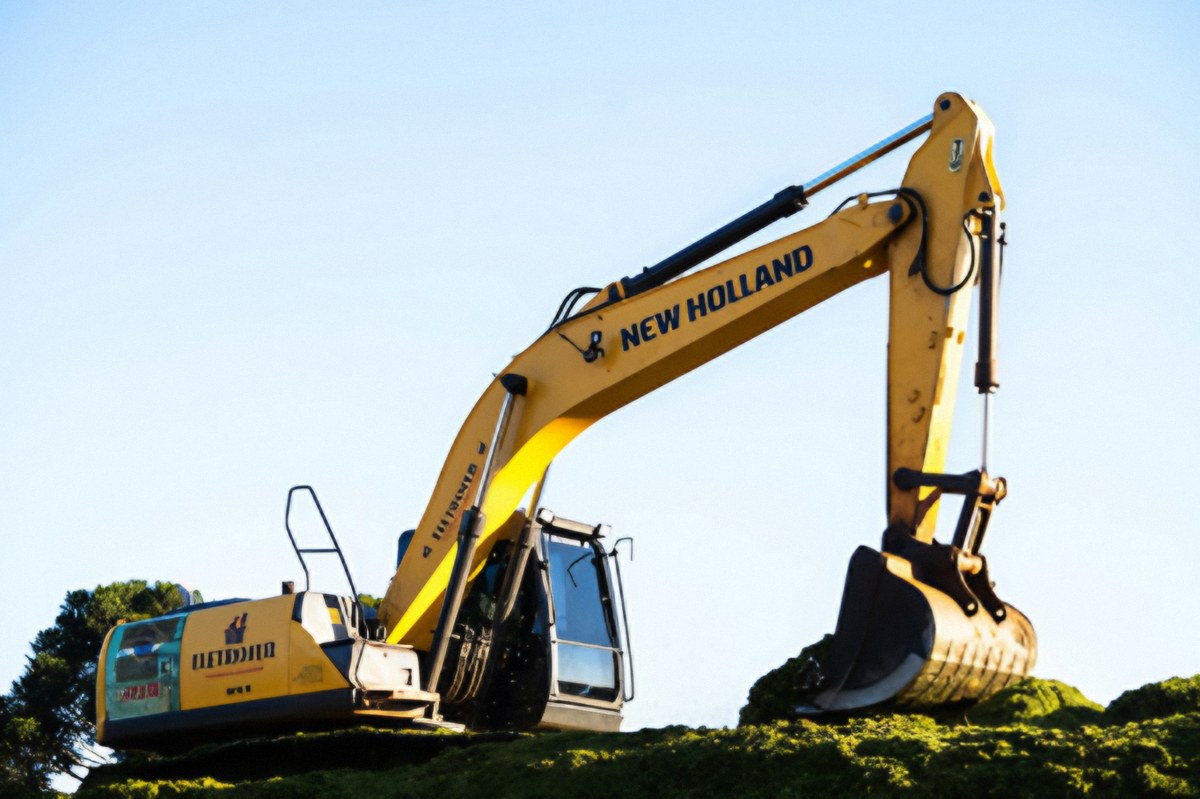
According to a report by Senseye, a leading UK-based provider of AI powered predictive maintenance solutions owned by Siemens, large industrial facilities lose an average of 27 hours per month to machine failure, with each hour of unplanned downtime costing approximately $532,000. In the mining, metals, and heavy industrial sectors, Senseye say that unplanned downtime accounts for around 23 hours per month, equating to an annual loss of $225 billion across those industries.
When it comes to hydraulic systems, our experience shows that the total cost to repair a cylinder — including both parts and labor — typically ranges from $200 to $1,200, depending on the size, condition, and application.
Minor repairs, such as seal replacements or bore honing, are generally on the lower end of that range, while major repairs — like replacing a piston rod or cylinder barrel — can push costs into the thousands. We explore this in more detail in our article How Much Does It Cost To Rebuild a Hydraulic Cylinder.
For common issues such as worn seals, rod scoring, or light internal damage, repair is usually the most cost-effective solution. But putting
off maintenance can quickly turn a straightforward fix into a much more expensive problem.
That is why the top-performing construction firms are tightening inspection intervals and identifying issues before performance dips below threshold. They’re not asking “is it broken yet?” — they’re asking “can we prevent downtime next quarter by investing now?”
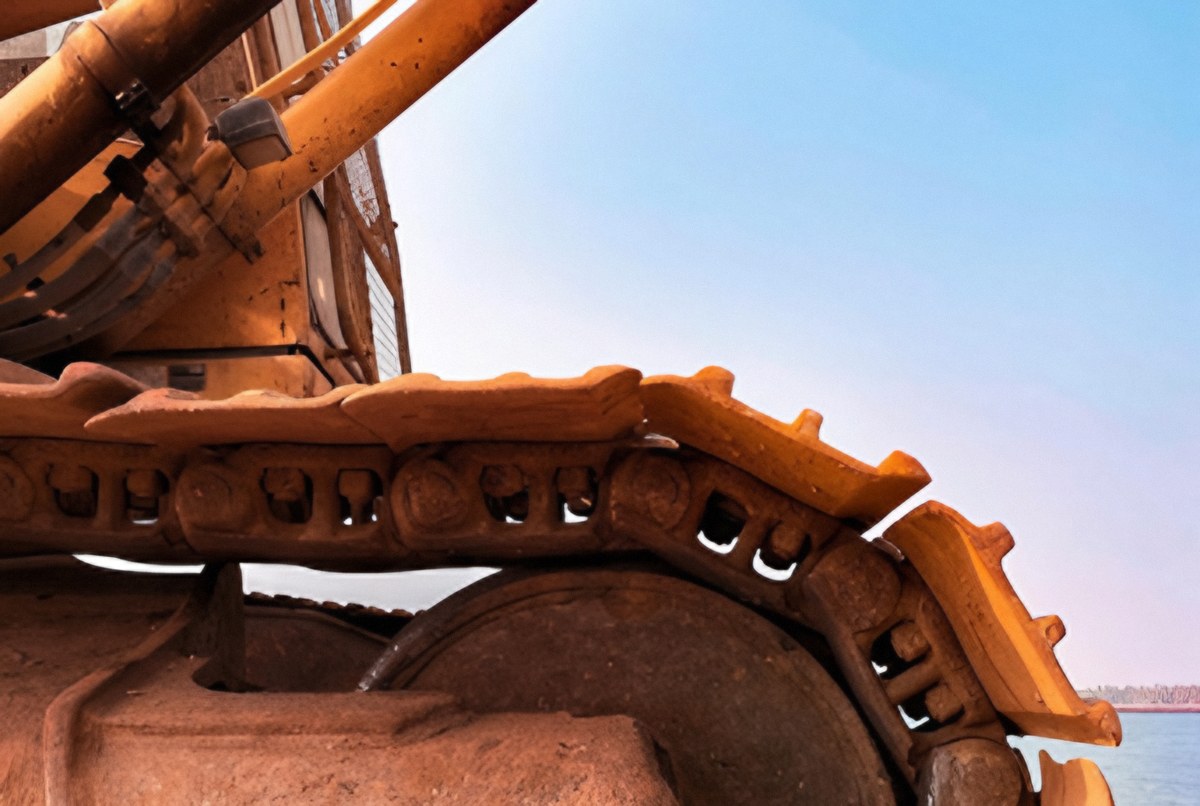
Replacement costs for hydraulic cylinders can range from $1,000 to over $5,000, especially for custom or OEM-only components.
Support Hydraulics note that replacing a hydraulic cylinder often incurs a higher upfront cost, which can include purchasing a new cylinder and any associated installation fees.
This is true. However. For critical applications like load-bearing systems, frequently cycled actuators, or cylinders nearing end-of-life, replacement often yields a superior ROI when weighed against the costs of repeated repairs and all that subsequent machine downtime.
Dan Corbett, equipment manager at Lancaster Development, emphasized in an article For Construction Pros that the true cost of equipment failure isn’t just the repair bill but the collateral damage, including disruptions to production, idle operators, and rental costs incurred to make up for the equipment that is down unexpectedly.
Lifecycle research by Construction Equipment Magazine also indicates that only 54% of major-component repairs are done before something fails. In other words, around half of all equipment failures could be prevented with some simple proactive maintenance.
Companies positioned ahead of the curve will plan replacements strategically, not reactively. Whether it’s during seasonal lulls or aligned with machine overhauls, they’re treating their cylinders as part of the asset lifecycle, not a one-off expense.
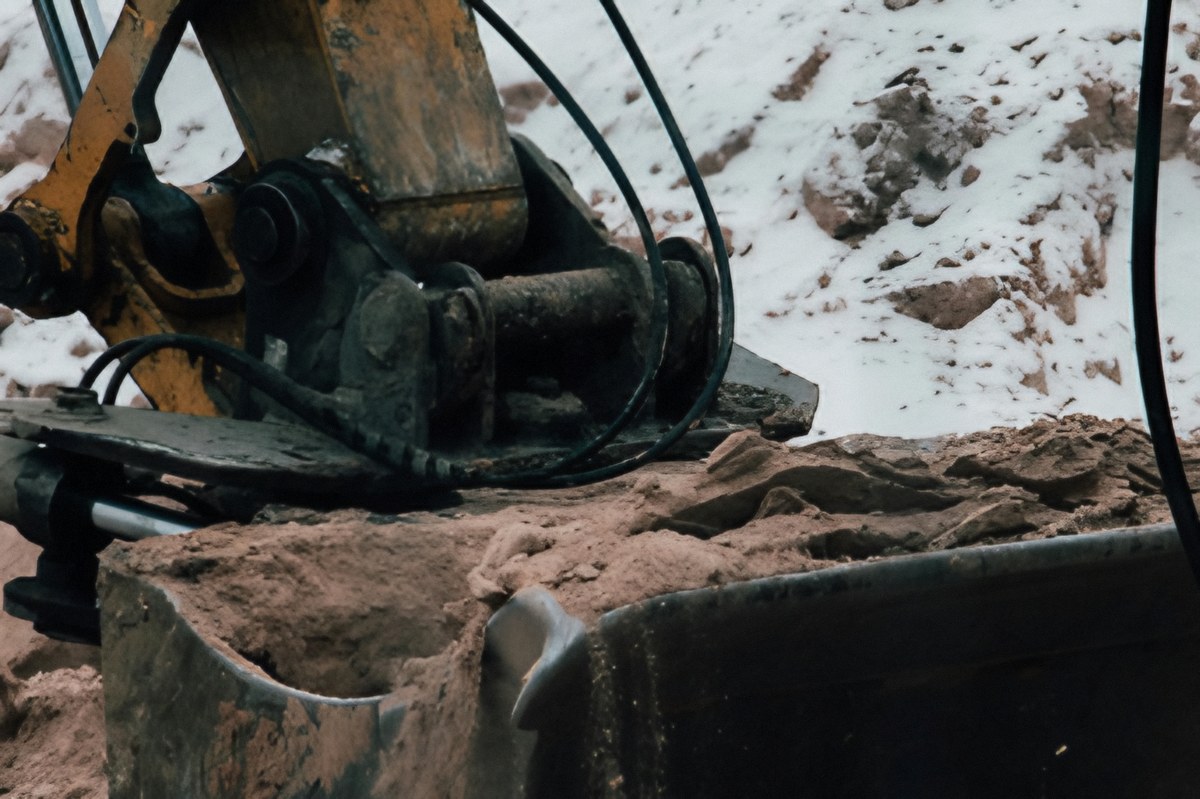
In today’s competitive construction landscape, the most efficient companies don’t view maintenance as a cost center — they treat it as a performance lever.
For them, hydraulic system health isn’t reactive. It’s predictive, proactive, and deeply embedded in the way they manage assets across the project lifecycle.
Here’s how high-performing teams we partner with are leading the industry:
Top operators are embedding telematics into their fleets — not just for tracking location or usage, but to monitor real-time hydraulic performance.
Pressure fluctuations, inconsistent stroke lengths, elevated temperatures, and early signs of seal degradation are all detectable with the right telemetry.
This data acts as an early warning system, enabling maintenance teams to step in before a breakdown disrupts operations.
According to Geotab, a leader in fleet telematics and asset tracking technology, integrating advanced telematics into preventive maintenance programs can reduce unplanned downtime by over 30% — a game-changer for uptime-critical environments like construction.
Rather than leaving inspections up to operator discretion, industry leaders are building structured maintenance protocols into every machine class.
That means scheduled diagnostics, uniform inspection checklists, and digital logs of known wear points — particularly on critical hydraulic components like cylinders, hoses, and valves.
This approach not only improves reliability but allows ops teams to build predictive failure models based on historical trends and real-world data.
The best-in-class aren’t just tracking machines — they’re tracking individual components.
By maintaining detailed records at the cylinder level, they can analyze performance over time, spot recurring issues, and calculate ROI on rebuild versus replacement.
This data is gold when budgeting capital expenditures or justifying proactive replacement before failure — especially for components in mission-critical roles like boom lift cylinders or steering actuators.
Leading companies know the difference between general repair and precision hydraulic service. That’s why they partner with a specialist vendor like us.
We offer certified repairs, OEM-quality parts, and precise tolerance controls. We don’t just restore function — we extend service life, ensure alignment with manufacturer specs, and reduce the risk of premature failure.
For companies operating around tight deadlines and remote sites, this level of confidence is critical.
Perhaps most importantly, top-tier companies don’t isolate maintenance in a silo. Instead, they integrate it into procurement planning, lifecycle modelling, and job site scheduling.
Whether it’s coordinating repairs during seasonal lulls, planning hydraulic upgrades alongside major rebuilds, or analyzing cost-per-hour data to guide replacement cycles — they treat maintenance as a strategic business function, not just a technical necessity.
The result is much more than just better maintenance — it’s a complete mindset shift. Leading construction teams aren’t waiting for things to break; they’re actively engineering reliability into every system.
This transition from reactive fixes to strategic optimization is what separates the high-performing operations from the rest. It’s no longer just about keeping machines running — it’s about driving predictability, profitability, and long-term asset performance.
And in an industry where a single hour of downtime can throw an entire project off schedule, that shift isn’t just smart — it’s essential.
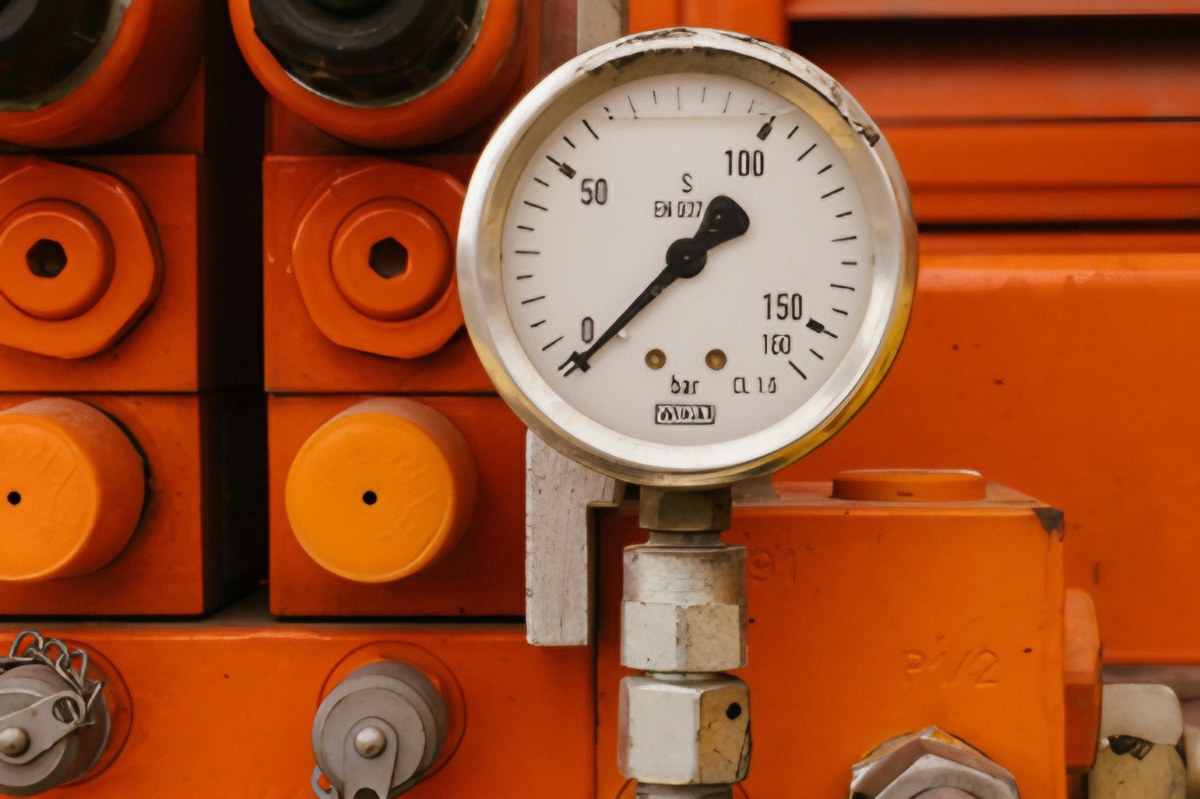
Bad maintenance practices don’t just lead to part failures — they result in project delays, labor overruns, and budget escalations.
Consider the following example:
• $250–$500 per Hour
Average estimated downtime cost per machine on active construction sites.
• 3 x Repair Cost Increase
When a minor issue (like a worn seal) leads to internal scoring or rod damage.
• Cascading System Failures
Contaminated fluid from one failed cylinder can compromise an entire hydraulic loop.
Costs quickly add up. This is why forward-thinking leaders aren’t just reacting after things go wrong — they’re investing in prevention and prediction. Not because it’s trendy, but because it protects margins, cuts waste, and keeps operations running at full speed.
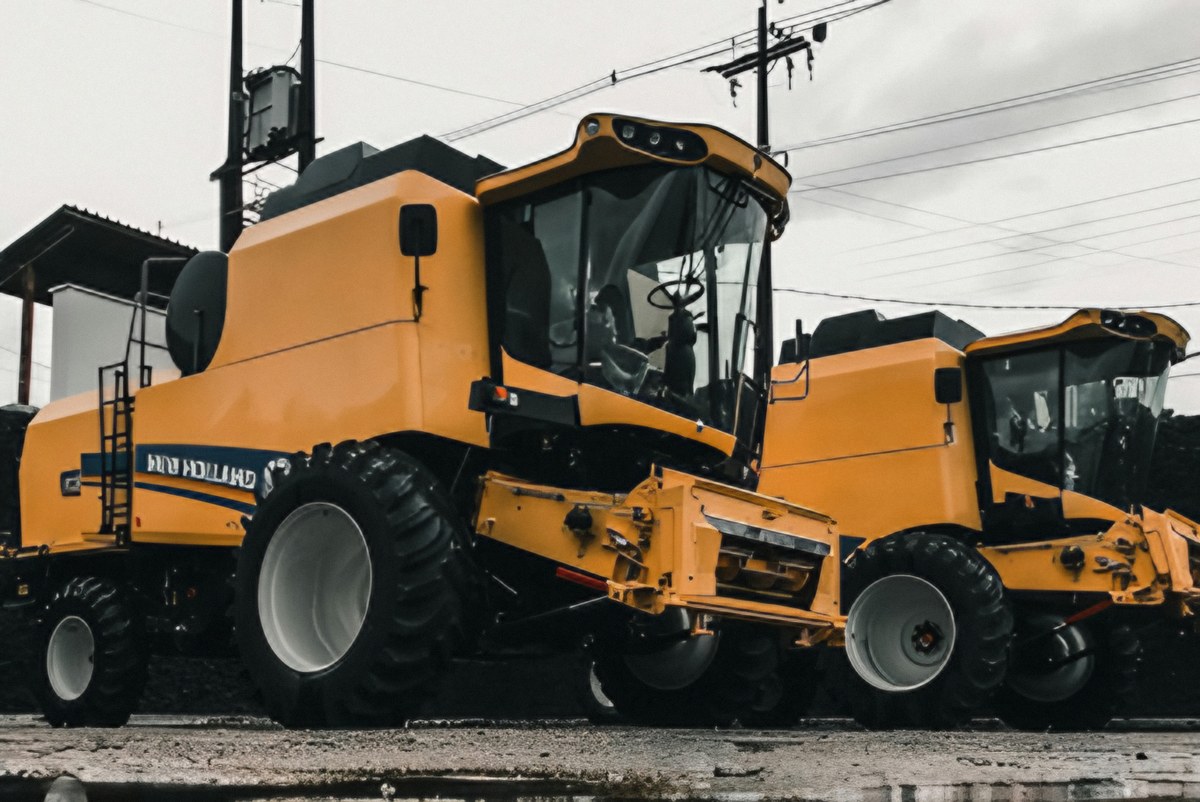
Leaders in plant and fleet management are leveraging asset lifecycle planning as a core operational strategy.
They’re integrating cylinder rebuilds into overhaul schedules, budgeting for replacements annually, and using downtime data to guide capital investment.
These are not ad hoc decisions — they’re aligned with production planning and risk management goals.
Cylinders, Inc. Pro Tip: If your hydraulic systems are still being run “until failure,” you’re paying twice — once in lost production, again in emergency service costs.
H3: Repair or Replace? Use Data to Decide
Every decision should be grounded in your operational context.
Here’s a simplified framework many of our clients use to determine whether its a repair or time to replace with new:
| Factor | Repair? | Replace? |
| Cylinder Age | < 3 years | > 5 years |
| Damage Type | External, minor scoring | Rod pitting, tube cracks |
| Cost Estimate | < 40% of replacement | > 50% of replacement |
| Downtime Risk | Low | High |
| Application | Non-Critical | Mission-Critical |
Hydraulic cylinders are not just mechanical components — they’re high impact performance levers embedded deep within our uptime strategies.
When a cylinder fails, it doesn’t just stop a function. It stops progress. It halts schedules. It drains budgets.
That’s why leading construction and plant operations teams are no longer treating hydraulic systems as isolated issues to address when they break — they’re treating them as strategic assets to proactively manage.
The smartest in sector understand that a failed cylinder is rarely the only problem — it’s often a symptom of a broader maintenance gap. One that will quickly cascade into larger system failures, lost productivity, and serious financial repercussions.
That’s why choosing the right partner matters.
Not just a parts supplier or service provider — but a vendor who understands the technical complexities, the financial pressures, and the operational demands unique to construction fleets and heavy machinery. A partner who can help you not only fix what’s broken, but help you to forecast, prevent, and optimize what’s ahead.
Whether you’re overseeing a 20-machine fleet or leading operations across multiple states, your ability to deliver projects on time and on budget is directly tied to the health of your core systems — and hydraulics are at the heart of them.
So, let’s shift the perspective…
Let’s stop treating cylinders as “line items” to replace when things go wrong — and start treating them as high-value assets that deserve a lifecycle strategy.
In today’s market, uptime isn’t a luxury. It is our competitive edge!