
In high-demand industries like construction, mining, and heavy manufacturing, equipment uptime is not just an operational goal; it is a direct driver of profitability.
At the centre of system performance are large-bore cylinders, the components responsible for delivering the immense force required to move massive loads, keep projects on schedule, and power critical operations such as pressing, lifting, clamping, and compaction across a range of heavy-duty applications.
When they fail or underperform, the impact extends far beyond that single piece of equipment. Downtime compounds quickly, labor costs rise, and schedules slip.
For maintenance and operations leaders, understanding how to identify and address common issues in large-diameter cylinders is critical to maintaining performance and controlling costs.
In this article, we’re exploring the root causes of heavy-duty cylinder failures, how leading organizations approach troubleshooting, and why partnering with an experienced provider like Cylinders, Inc. is essential for reliable repair that supports long-term performance.
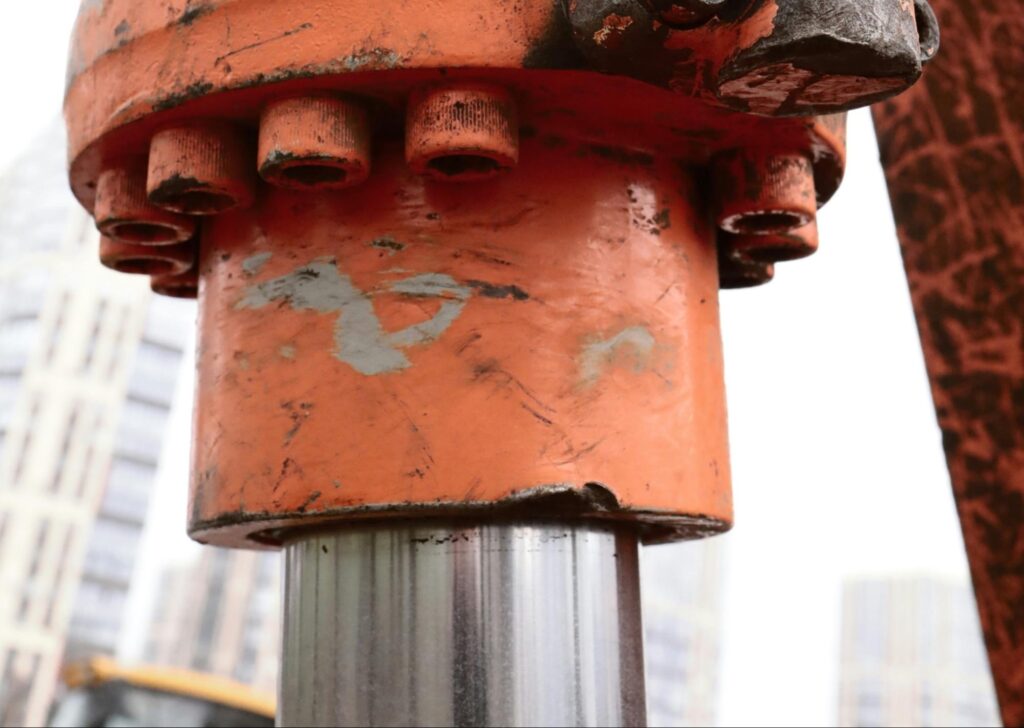
Large-bore cylinders are engineered for high-force applications. These systems are commonly found in excavators, presses, mining equipment, and other high-capacity machinery where precision and power must work together.
Large-diameter cylinders operate under extreme pressure and are central to system-wide performance, meaning even minor inefficiencies or internal wear can escalate into major failure.
As a result, they require a higher level of attention in both monitoring and servicing, as their failure can compromise the entire system.
Top-performing companies don’t treat cylinder issues as isolated incidents. They view them as indicators of overall system health.
Poor or inconsistent troubleshooting is often what leads to recurring failures, prolonged downtime, and avoidable early replacement costs. In contrast, a structured, expert-led approach identifies root causes rather than symptoms.
We all know that downtime can be extremely costly, with industry estimates ranging from hundreds to several hundred thousand dollars per hour depending on machine type, scale of operation, and sector.
ABB’s Value of Reliability survey places average losses at approximately $125,000 per hour in manufacturing, energy, and utilities.
In construction, waste management, and fleet operations, direct costs are typically at the lower end, but wider delays and lost productivity still make downtime highly significant.
This is why the leading organisations we work with prioritise rapid diagnostics and precision large-bore cylinder repair, with a clear focus on long-term reliability over stopgap solutions.
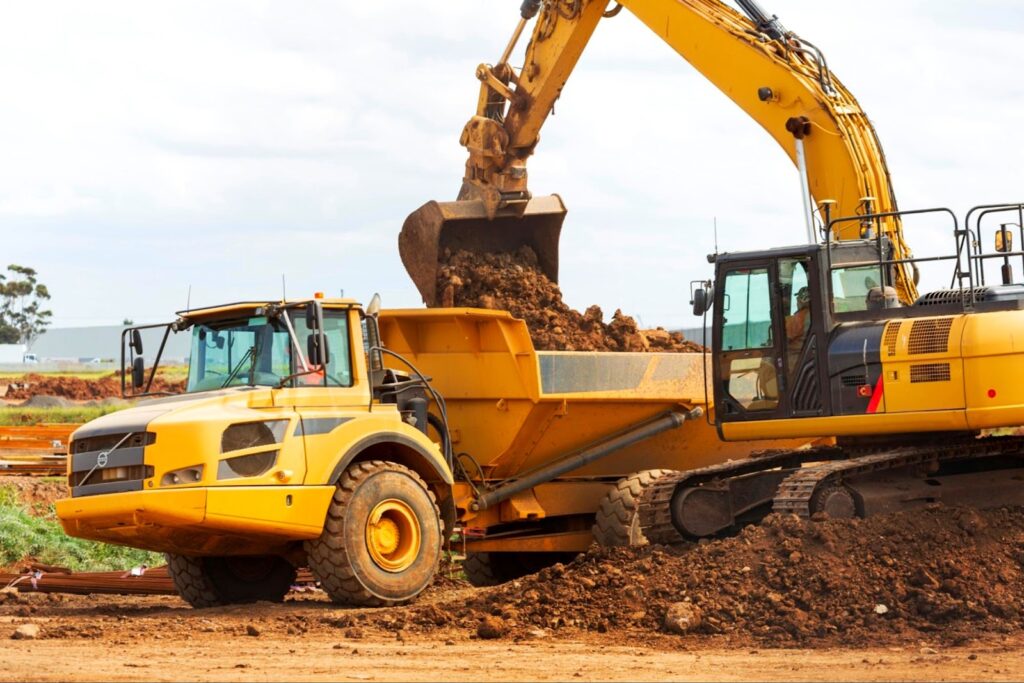
In high-load settings across construction, mining, and heavy industry, cylinders operate at the limits of pressure, force, and endurance in often unforgiving conditions.
Failures rarely occur without cause and typically stem from underlying factors such as contamination, seal degradation, misalignment, or system imbalance.
The big challenge is not only identifying these problems, but understanding their impact on overall hydraulic system performance.
Left unaddressed, even minor inefficiencies in large-diameter cylinders can escalate into costly downtime, disrupting production and increasing maintenance costs.
The issues below are among the most frequent and costly we encounter with large-bore systems:
Air leaks are one of the most common issues affecting large-bore pneumatic cylinder performance. And while they may seem minor at first, they reduce efficiency, increase energy consumption, and place additional strain on compressors.
In large-scale operations, even small leaks can lead to measurable increases in operating costs. Over time, this inefficiency compounds, affecting overall system output and reliability.
Air leaks are not just a maintenance issue; they are a cost driver that directly impacts margins and often requires root cause analysis and large-bore pneumatic cylinder repair to fully resolve.
Contamination is a leading cause of failure in large-bore hydraulics. Dirt, metal particles, and degraded fluid can damage seals, score cylinder walls, and reduce system efficiency.
This issue often originates upstream, from inadequate filtration, poor storage practices, or neglected maintenance schedules. Once contamination enters the system, it accelerates wear across multiple components, not just the cylinder itself.
Organizations that prioritize fluid cleanliness and work with hydraulic cylinder repair specialists like us consistently see longer equipment lifespans and fewer unexpected breakdowns.
Performance issues in large-bore air cylinders often manifest as inconsistent movement, reduced force output, or delayed response times.
These problems can stem from internal wear, pressure imbalances, or system-level inefficiencies. In many cases, they’re the early warning signs of more significant failures to come.
For maintenance teams, identifying these symptoms early is critical. Addressing performance issues before they escalate helps prevent unplanned downtime and costly repairs.
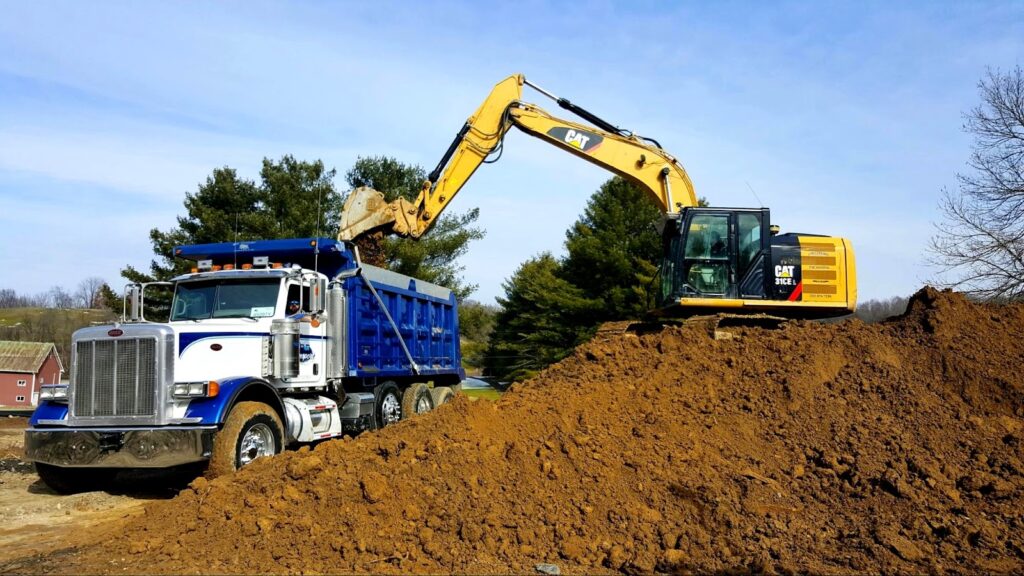
Effective troubleshooting is what moves operations beyond basic reactive maintenance.
The leading organizations we work closely with take a structured, data-informed approach to diagnosing issues in high-capacity cylinders, focusing on root causes rather than surface-level symptoms.
Drawing on decades of field experience, we emphasize precision diagnostics, detailed inspection, and system-wide thinking. This approach accelerates repair timelines and supports fast turnaround cylinder repair that helps prevent repeat failures, protects uptime and reduces total cost of ownership.
The following are the key areas we focus on when identifying and resolving large-diameter cylinder issues:
Effective troubleshooting starts with a clear understanding of where failures originate.
High-performing operations rely on data, inspection protocols, and historical performance trends to pinpoint issues. Rather than reacting to breakdowns, they proactively monitor key indicators such as pressure fluctuations, cycle times, and fluid condition, thus reducing uncertainty and enabling more informed decision-making.
This shift toward data-driven maintenance is helping leading operators reduce downtime and improve overall system performance, particularly as more teams adopt integrated reactive, preventive, and predictive maintenance strategies.
As a specialist cylinder repair facility, we play a critical role in accurate diagnostics.
Advanced inspection techniques allow our technicians to assess internal damage, alignment issues, and wear patterns that are not visible in the field.
These insights are essential for determining whether a cylinder can be repaired or requires more extensive intervention.
For high-force hydraulic cylinders and other high-value components, this level of precision is a non-negotiable, and it requires a dedicated large-bore cylinder shop capable of delivering exacting tolerances and reliable performance.
The use of a large-bore cylinder hone is a key part of restoring performance, ensuring internal surfaces meet exact specifications for seal integrity and overall efficiency.
Without proper honing, even newly installed components can fail prematurely.
This is why leading repair providers like us invest in large-bore cylinder honing and machining capabilities to restore components to critical tolerance and ensure reliable performance under load.
Repairing large-bore cylinders is not simply a technical task; it is a strategic decision that directly impacts equipment reliability, operational continuity, and long-term cost control.
In today’s environment, where unplanned downtime carries significant financial and reputational consequences, we prioritize repair strategies that restore full performance and extend service life.
And this means us going beyond basic fixes and investing in precision machining, advanced tooling, and expert-led processes that ensure large-diameter cylinders return to service operating at or above original spec.
We approach cylinder repair with a focus on precision, reliability, and long-term performance, drawing on decades of hands-on experience and thousands of completed repairs to restore full operational integrity in large-bore systems:
Solutions for Large-Bore Hydraulic Cylinder Problems
Addressing issues in a heavy-duty hydraulic cylinder requires more than simply replacing worn parts. It involves a comprehensive evaluation of the entire system.
Our top-tier repair strategies focus on restoring the cylinder to original or better-than-original condition. This includes precision machining, high-quality components, and rigorous testing supported by our cylinder repair and restoration services.
The goal is not just restoration, but long-term reliability and prevention of repeat failures.
Maintenance for Large Bore Pneumatic Cylinders
Preventive maintenance is essential for large-bore pneumatic cylinders. Regular inspections, proper lubrication, and system calibration help maintain consistent performance.
Organizations that invest in preventive maintenance programs see fewer disruptions and lower total cost of ownership. They also benefit from improved safety and more predictable operations.
Real-world performance is where maintenance strategies are truly put to the test.
Across industries, the difference between prolonged downtime and sustained productivity often comes down to how quickly and effectively cylinder issues are diagnosed and resolved.
Massive Custom Tie Rod Cylinder Repair: Complex Engineering Restoration
In one project, we supported the repair of a massive custom tie rod cylinder that had developed significant wear and dimensional deviation following prolonged high-load operation. The damage required a precision-led engineering approach to restore correct geometry and safe operating performance. Through advanced diagnostics, we identified internal damage, alignment issues, and wear patterns not visible during initial inspection, allowing us to address the root mechanical causes. Our team then carried out precision honing, machining, and reassembly to restore the cylinder to specification, delivering reliable performance under load and improved long-term system stability.
Result: This case highlights the importance of engineering accuracy in high-force applications, where maintaining geometry and tolerances is critical to overall system performance.
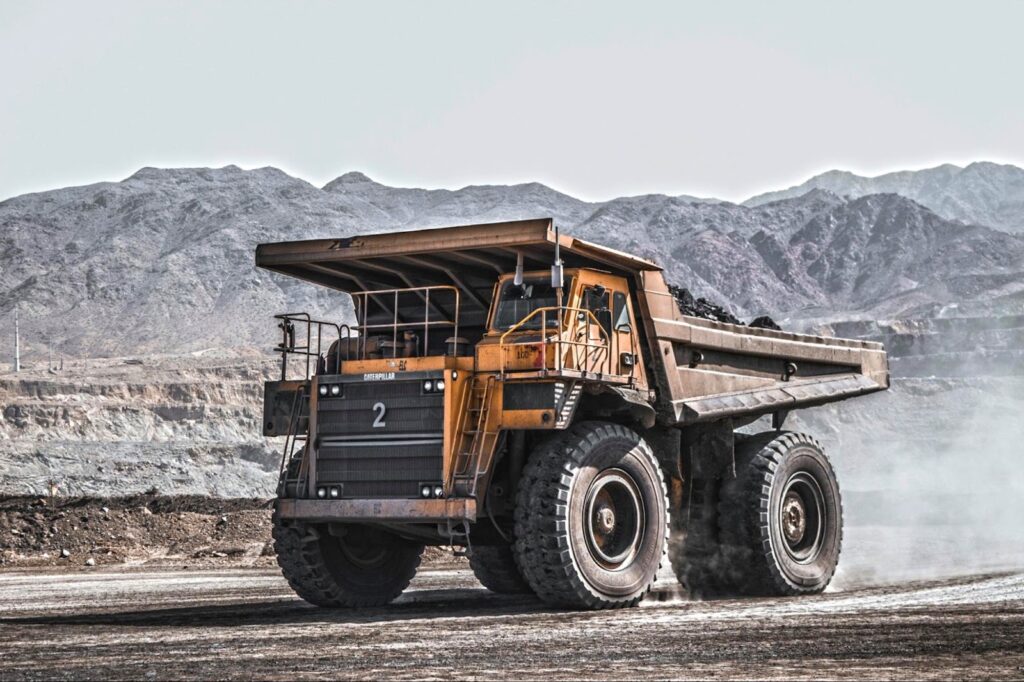
In mining environments, large-bore hydraulic cylinders operate under continuous high loads, abrasive conditions, and extreme duty cycles, which accelerate wear and increase the risk of failure in critical systems. In one case, a Caterpillar 797F experienced inconsistent hoist performance, affecting lifting stability and causing operational delays. Diagnostics identified internal wear, seal degradation, and contamination-related damage within the hoist cylinders, resulting in pressure instability under load. Following precision reconditioning, including honing, seal replacement, and component restoration, the system was returned to stable, reliable performance and full operational capacity.
Result: This example demonstrates how effective diagnostics and precision repair are essential in extreme environments, where even minor performance losses can have a significant operational impact.
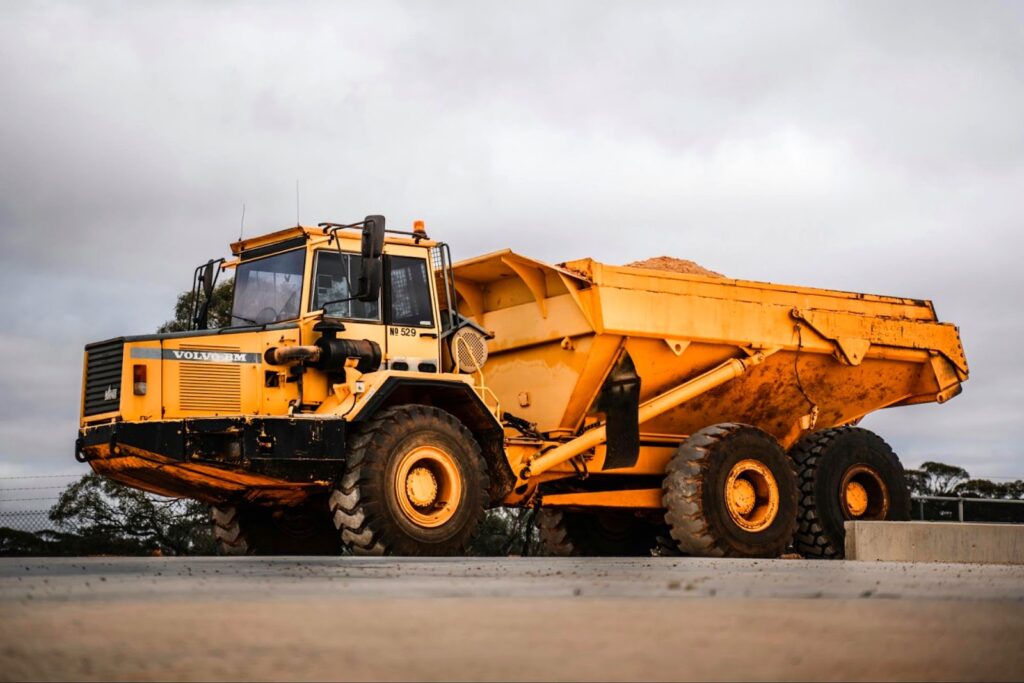
In fleet operations, large-bore master cylinders are critical to braking performance and overall safety, where failures can lead to downtime and reduced reliability. In one case, a Volvo A40G experienced inconsistent braking due to hydraulic pressure loss affecting response under load. Diagnostics identified internal wear and seal degradation within the master cylinder assembly, resulting in pressure instability. Through precision reconditioning, including honing, seal replacement, and restoration to critical tolerances, the system was returned to stable braking performance, reducing unplanned downtime and improving fleet reliability.
Result: This case reinforces the value of addressing root causes in high-utilisation environments, where recurring failures can directly impact productivity and costs.
In modern construction and heavy equipment operations, reliability is no longer measured solely by output. It is defined by how effectively organizations anticipate risks, minimize downtime, and extend the life of critical assets.
Large-bore cylinders sit at the centre of system performance, directly influencing productivity in the field. For decision-makers, the focus is shifting toward proactive strategies, trusted service partners, and long-term value creation.
Effective troubleshooting of large-bore cylinders requires a structured approach that links system-level performance to component-level diagnosis.
From identifying air leaks and contamination to applying precision inspection and repair methods, each step plays a direct role in protecting uptime and maintaining reliable operation.
For plant managers and operations leaders, the connection is clear; cylinder performance has a direct impact on efficiency, reliability, and overall operating cost.
As equipment complexity increases and operational demands continue to rise, the margin for error becomes smaller.
Working with an experienced provider such as Cylinders, Inc. and our precision large-bore cylinder repair specialists gives you access to the expertise, tooling, and processes required to maintain peak system performance.
In today’s competitive environment, the difference between reactive maintenance and proactive support is significant. Engaging specialist expertise is not simply a maintenance decision; it is a strategic step to improve uptime, reduce long-term costs, and strengthen operational resilience.