
Fleet Preventive Maintenance belongs at the top of your strategic agenda this year, serving as a key driver of uptime, cost control, and risk management for large and industrial fleets across the United States.
Construction, infrastructure, utilities, and industrial operations are facing tighter project timelines, higher equipment replacement costs, and sustained pressure to deliver predictable performance. In this environment, reactive maintenance models will only expose your fleet to unnecessary financial and operational volatility.
Reliable performance begins with disciplined preventive maintenance schedules and structured checklists that address equipment at both the system and component levels. For heavy machinery, that includes particular attention to hydraulic systems and cylinder performance, which do so much of the work.
Preventive maintenance is not just about repairing equipment. It is about controlling the probability of failure.
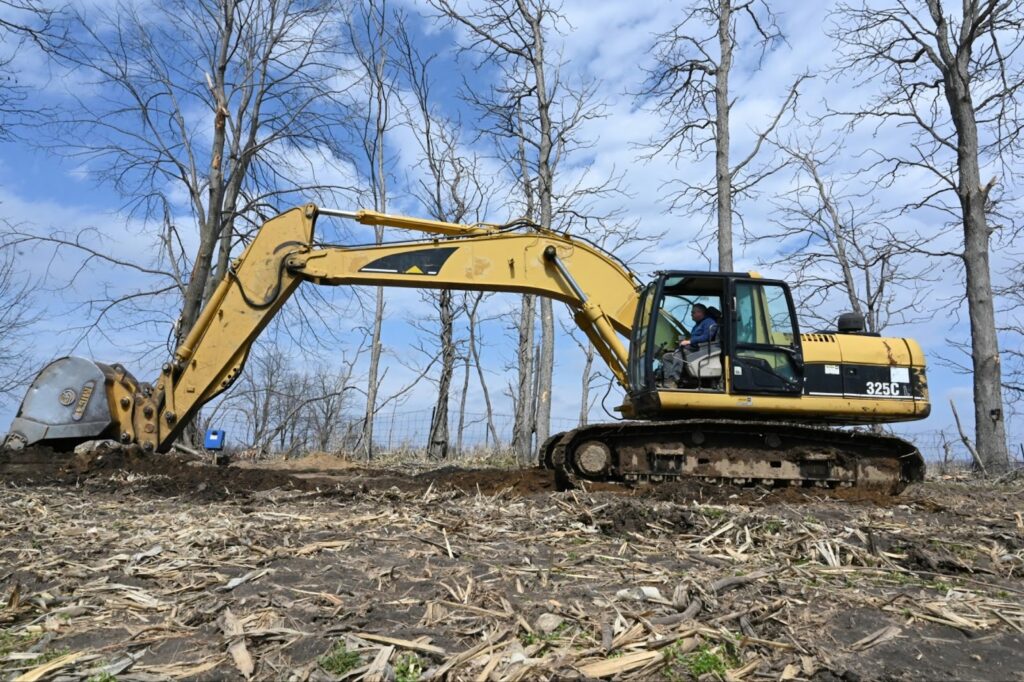
Several structural factors are reshaping maintenance expectations across the US at the moment:
When a critical piece of hydraulic-driven equipment fails unexpectedly, the ripple effects are immediate. Idle crews, rescheduled subcontractors, and disrupted project sequencing will erode your margins quickly. For industrial plants operating continuous processes, downtime may even halt your production entirely.
Fleet Preventive Maintenance schedules reduce the likelihood of these events by identifying wear patterns, stress indicators, and system degradation before they escalate into catastrophic failure. The fleet managers we partner with are now referring to our hydraulic cylinder preventive maintenance guides to structure their programs more effectively.
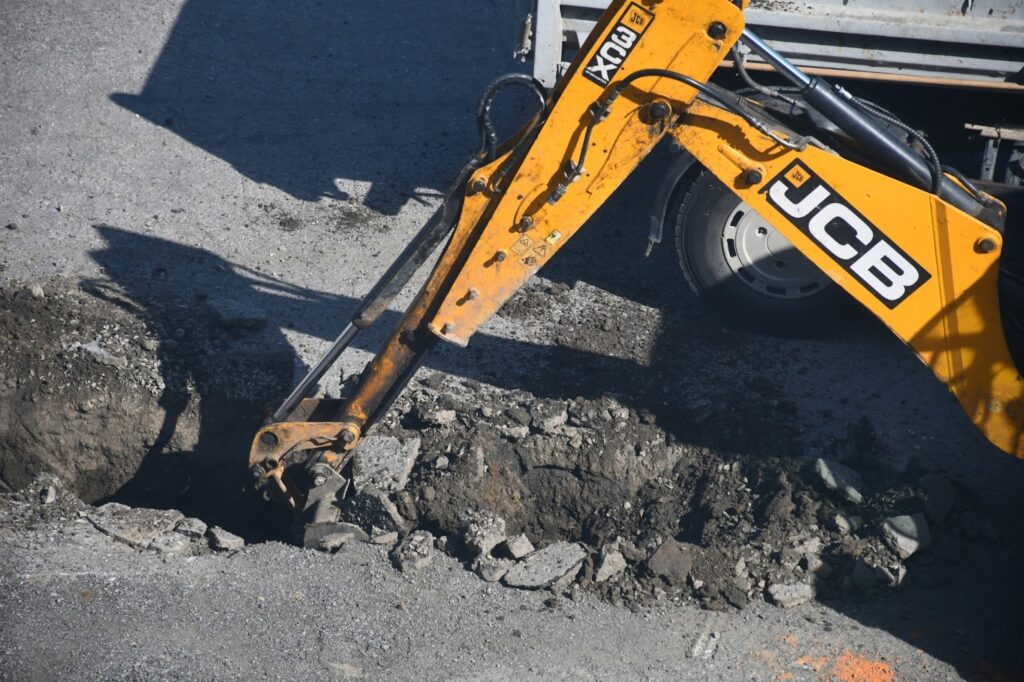
Hydraulic systems are central to heavy machinery performance. Excavators, cranes, loaders, presses, and material handling systems depend on consistent hydraulic force to operate safely and efficiently.
Within these systems, hydraulic cylinders convert fluid pressure into controlled mechanical movement, and they operate under:
Minor degradation in seals, rods, or alignment can compromise system integrity. When left unaddressed, these issues escalate into leakage, pressure loss, erratic performance, or even complete failure.
Fleet Preventive Maintenance programs that treat cylinders as mission-critical components achieve more stable uptime metrics than those that view them as just incidental parts. Professional services such as our hydraulic cylinder repair and service, hydraulic cylinder honing service, and hydraulic cylinder resealing services reinforce reliability at the component level.
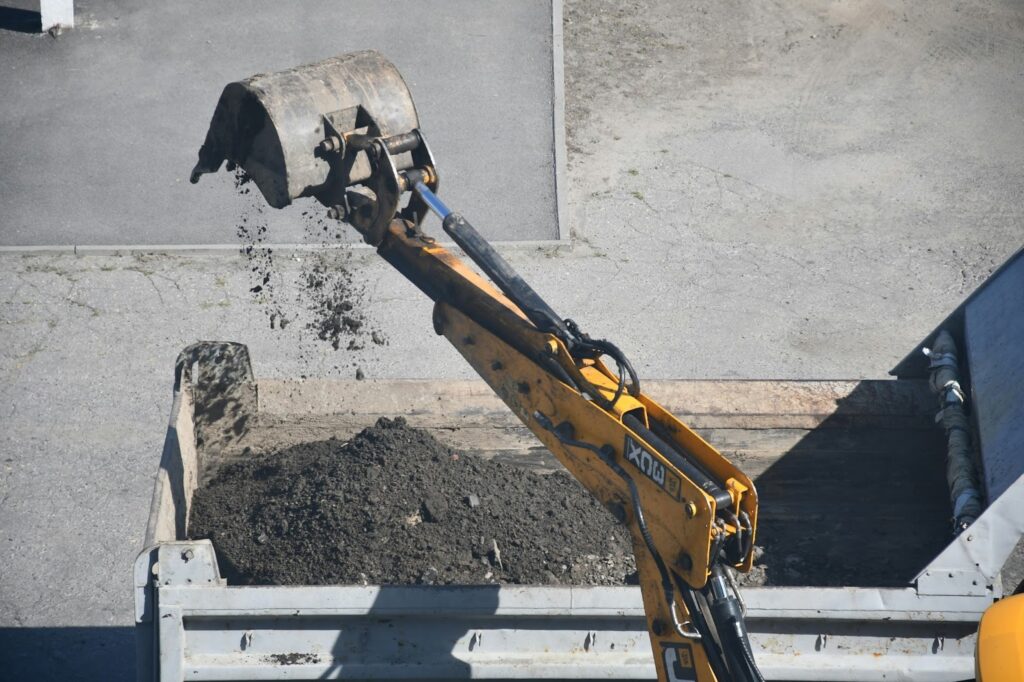
The high-performing fleets we partner with structure their preventive schedules around three primary variables:
Operating hours provide objective interval triggers. However, fleets that rely solely on hours often miss duty cycle severity. For example, an excavator performing repetitive heavy trenching under high load conditions experiences different stress patterns than one used intermittently for lighter work.
Environmental exposure also matters, and this is something we look at in detail in our When the Elements Attack [Insert link when published] article. Moisture, dust, abrasive materials, and extreme temperature swings accelerate seal wear and surface degradation. Effective preventive schedules integrate these variables to determine inspection frequency and evaluation depth.
A disciplined checklist-framework improves consistency across job sites and facilities, providing structured visibility that supports proactive decision-making.
The following categories represent the common inspection areas we need to focus on for hydraulic-driven assets:
Operational Benefit: Protects seals from accelerated wear and prevents fluid leakage.
Operational Benefit: Maintains hydraulic efficiency and reduces contamination risk.
Operational Benefit: Reduces structural stress that can lead to premature failure.
Operational Benefit: Protects pumps, valves, and cylinders from internal damage.
Operational Benefit: Maintains system pressure consistency and operational safety.
Operational Benefit: Identifies early degradation before system-wide impact.
While these checklists do not replace technical evaluation by a specialist repair provider like us, they help to identify early signs of wear and reduce operational risk.
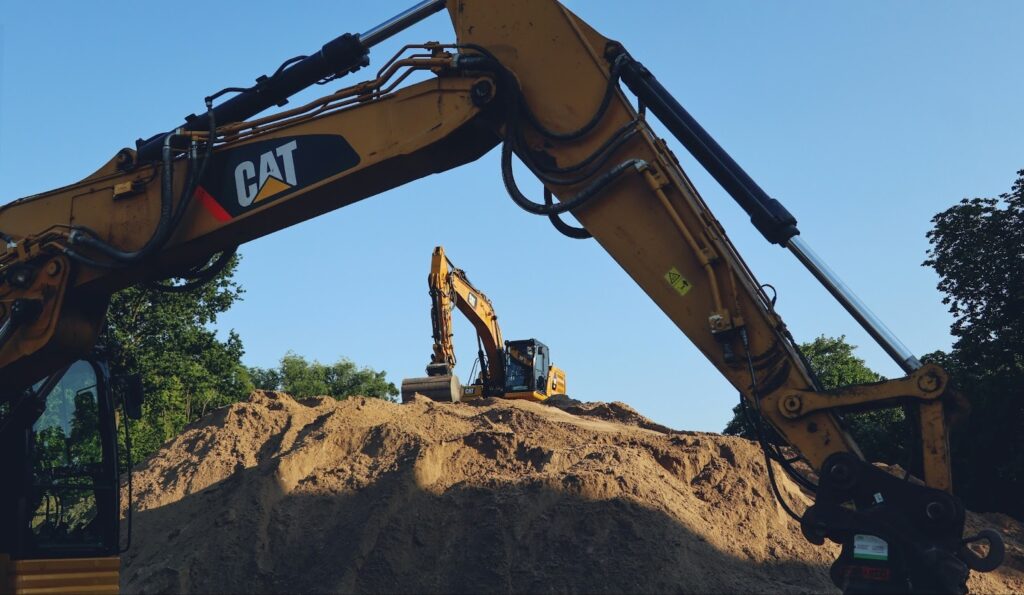
Preventive maintenance programs deliver measurable financial returns when executed consistently. Consider the cost progression of a hydraulic cylinder issue:
The cost differential between Stage 1 intervention and Stage 4 failure is often substantial. Beyond the direct repair cost, fleets will also incur:
Fleet Preventive Maintenance schedules flatten that cost volatility by reducing high-impact failure events. For fleet directors and plant managers, this stability supports accurate budgeting and improves asset lifecycle forecasting.
Downtime in heavy construction and industrial environments rarely originates from a single catastrophic event without warning. It often develops from overlooked indicators.
Reliable fleets will track:
Patterns of repeat cylinder degradation need to prompt evaluation with a specialized partner, rather than repeated reactive repair. At Cylinders, Inc., we provide precision inspection, documented repair standards, and machining accuracy that will reduce repeat failure risk and improve your long-term performance.
However, it’s important to stress that preventive programs will only protect uptime if the repair response is a timely one. When a cylinder is identified for servicing, an extended turnaround will erode the benefit of proactive detection.
High-performing fleets evaluate their repair partners based on:
Precision repairs must balance speed with engineering accuracy. Fast but inconsistent service will only increase long-term failure probability. We provide specialized hydraulic repair services that combine responsiveness with technical integrity. They are designed to support a preventive maintenance framework.
Hydraulic failure introduces safety risk. For example, a sudden loss of pressure can compromise load stability, machine control, or structural balance. Preventive schedules mitigate these risks by ensuring hydraulic systems remain within defined operational tolerances and maintain overall system integrity.
Routine inspections of hoses, fittings, seals, pumps, and fluid condition helps to identify leaks, contamination, and wear before things escalate. Standardized checklists ensure inspections are consistent across technicians and locations, minimizing the chance that early warning signs are missed.
For fleets operating under Occupational Safety and Health Administration (OSHA) requirements, documented preventive maintenance also supports compliance and risk management. While OSHA does not mandate specific service intervals, it does require equipment to be maintained in a safe operating condition.
Clear inspection records and maintenance logs demonstrate due diligence, strengthen internal safety metrics, and help reduce liability exposure. Within a broader fleet management strategy, preventive maintenance is both a reliability tool and a safety safeguard that protects operators, equipment, and your organization as a whole.
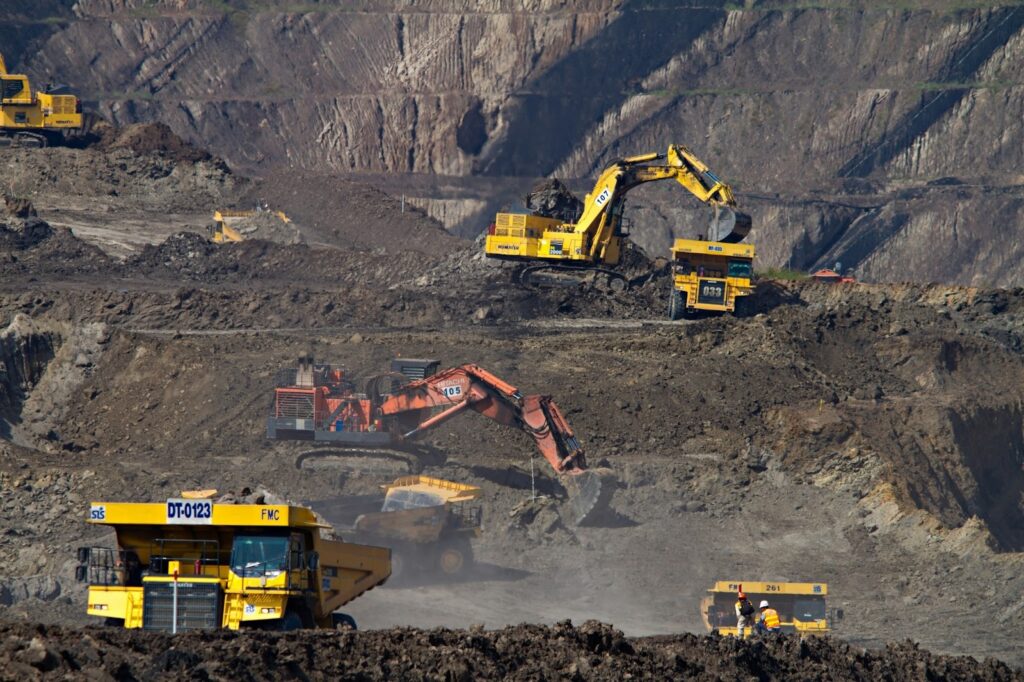
Across construction and industrial sectors, reliable fleets share several common preventive traits:
Treat preventive maintenance as a strategic lever rather than a routine task.
Schedule maintenance around real operating conditions to protect project delivery and financial performance while ensuring all your hydraulic cylinders perform consistently under high pressure.
This approach reflects the insights shared in our article on how equipment uptime impacts jobsite performance.
Fleet preventive maintenance schedules with standardized checklists create operational predictability across the board.
For large and industrial fleets, that predictability translates directly into fewer emergency repairs, stronger asset lifecycle performance, and more stable, forecastable maintenance budgets. Instead of reacting to failures, you maintain control over your downtime, labor allocation, and parts planning.
Hydraulic system oversight sits at the center of that reliability strategy. Cylinders generate the force that drives lifting, pushing, stabilizing, pressing, and material handling operations. When cylinders degrade, productivity drops, schedules slip, and costs escalate. When they are inspected, measured, and serviced proactively, uptime stabilizes and equipment performs as expected under load.
For enterprise fleets operating across multiple regions and job sites, preventive maintenance is not just a best practice; it is a structural advantage. Consistent hydraulic oversight protects production targets, strengthens safety performance, and supports the disciplined fleet management standards required in today’s industrial environment.
At Cylinders, Inc., we support fleet preventive strategies through precision repair, technical expertise, and responsive turnaround aligned with operational demands. For us, preventive maintenance is not simply about extending equipment life; it is about protecting your operational continuity and financial performance.
Disciplined execution at the checklist level drives stability at the enterprise level. To implement preventive maintenance schedules and ensure your hydraulic cylinders are delivering predictable performance, schedule a preventive hydraulic evaluation with Cylinders, Inc.