
In the construction industry, equipment uptime isn’t just a performance metric — it’s a strategic imperative.
Maintenance managers, fleet directors, and operations leaders face pressure to improve performance, lower operating costs, and keep equipment online in demanding environments.
Core KPIs like Planned vs. Actual Cost, Schedule Performance Index (SPI), Cost Performance Index (CPI), Labor Productivity, and Equipment Utilization track project health, but they often miss a key driver: equipment reliability.
Unplanned downtime doesn’t just impact utilization — it delays schedules, inflates costs, and triggers change orders. That’s why industry leaders are integrating maintenance KPIs like downtime rates and preventive maintenance (PM) compliance into project dashboards.
But protecting uptime isn’t just a maintenance goal. It’s central to project success.
The industry is shifting from reactive, repair-focused maintenance to proactive, data-driven strategies. High-performing teams are now building maintenance KPI frameworks focused on uptime, asset performance, and system resilience.
And the stakes are high!
One of the most effective construction KPIs is the Schedule Performance Index (SPI). An SPI of 1.0 means the project is on schedule; below 1.0 signals delays.
Uptime directly influences SPI. When machinery goes offline, SPI drops, costs rise, and client satisfaction suffers.
FMI’s 2023 Labor Productivity Study found that equipment downtime can cut productivity by 20–40%, especially when it affects critical path activities.
Broader industry data like ConstructConnect’s Project Stress Index also reflects a rise in project abandonments — up 41% year-to-date as of March 2025 — driven in part by operational risks like equipment failure.
Leading industry group AGC has also noted that each hour of downtime increases labor costs and delays timelines.
This is why the leading contractors treat equipment uptime as a core performance driver — and why we help them detect early risk indicators to prevent costly failures before they occur.
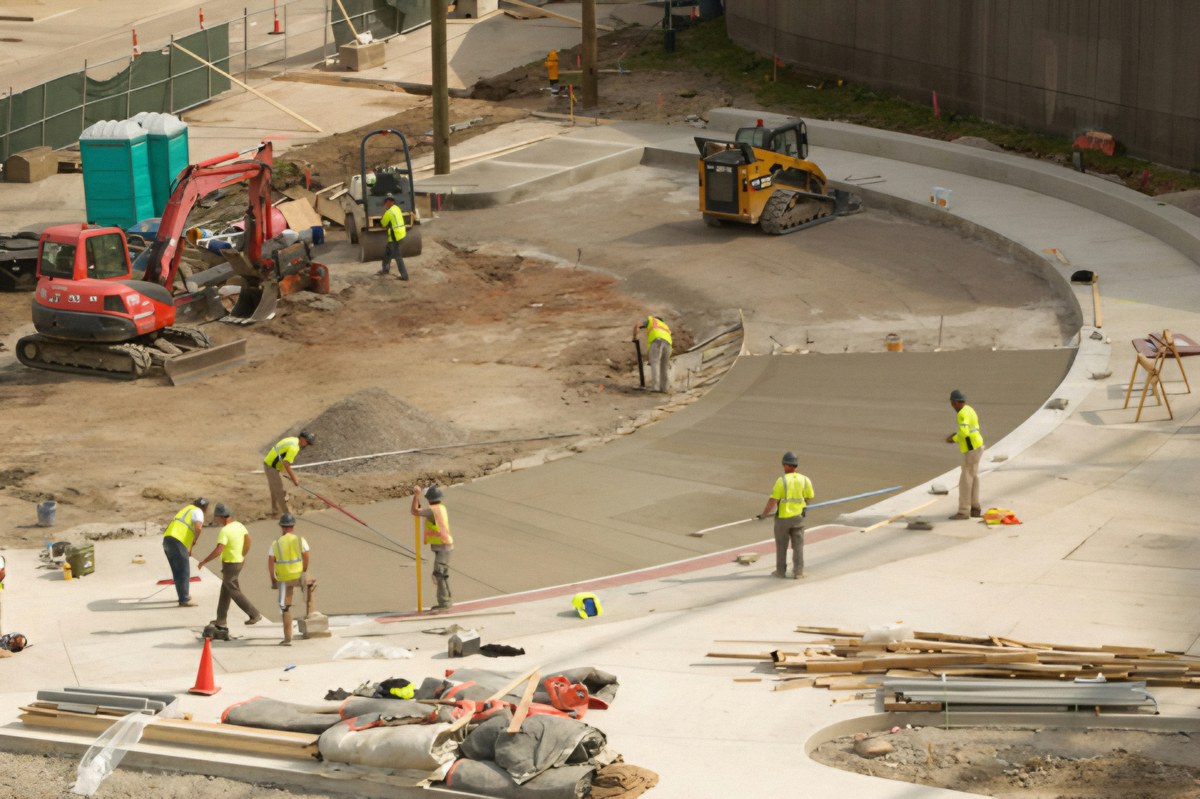
The top construction firms are expanding their use of performance metrics.
They’re moving beyond traditional Earned Value (EV) indicators like Actual Cost (AC), Planned Value (PV), Cost Performance Index (CPI), and Schedule Performance Index (SPI) to include real-time data on labor hours, subcontractor efficiency, safety incidents, rework rates — and critically for us — equipment reliability.
They’re also embedding maintenance KPIs into project dashboards, recognizing that even the most advanced Earned Value Management (EVM) systems can’t make up for productivity losses due to preventable downtime.
Metrics like uptime rates, PM compliance, and failure trends now sit alongside financial and schedule data, offering a more holistic view of construction project performance.
These KPIs reflect a deeper shift in mindset: treating maintenance not as a cost center, but as a strategic function that drives profitability, safety, and schedule adherence.
Through our work with high-performing construction teams, we help implement proactive maintenance strategies that embed reliability across every phase of the job site — from earthmoving and grading to final commissioning.
We focus on the construction KPIs that act as leading indicators of uptime risk:
• Real-time uptime metrics, segmented by asset and system, to uncover early performance trends.
• Preventive maintenance compliance, used as a forward signal for long-term equipment health.
• Mean Time Between Failures (MTBF) to benchmark reliability across fleets, lines, and facilities.
• Cost of unplanned downtime, tied directly to financial performance and resource planning.
The top firms use these metrics not to report on failures, but to prevent them. Their mindset isn’t reactive — it’s engineered for resilience, and their maintenance KPIs reflect that.
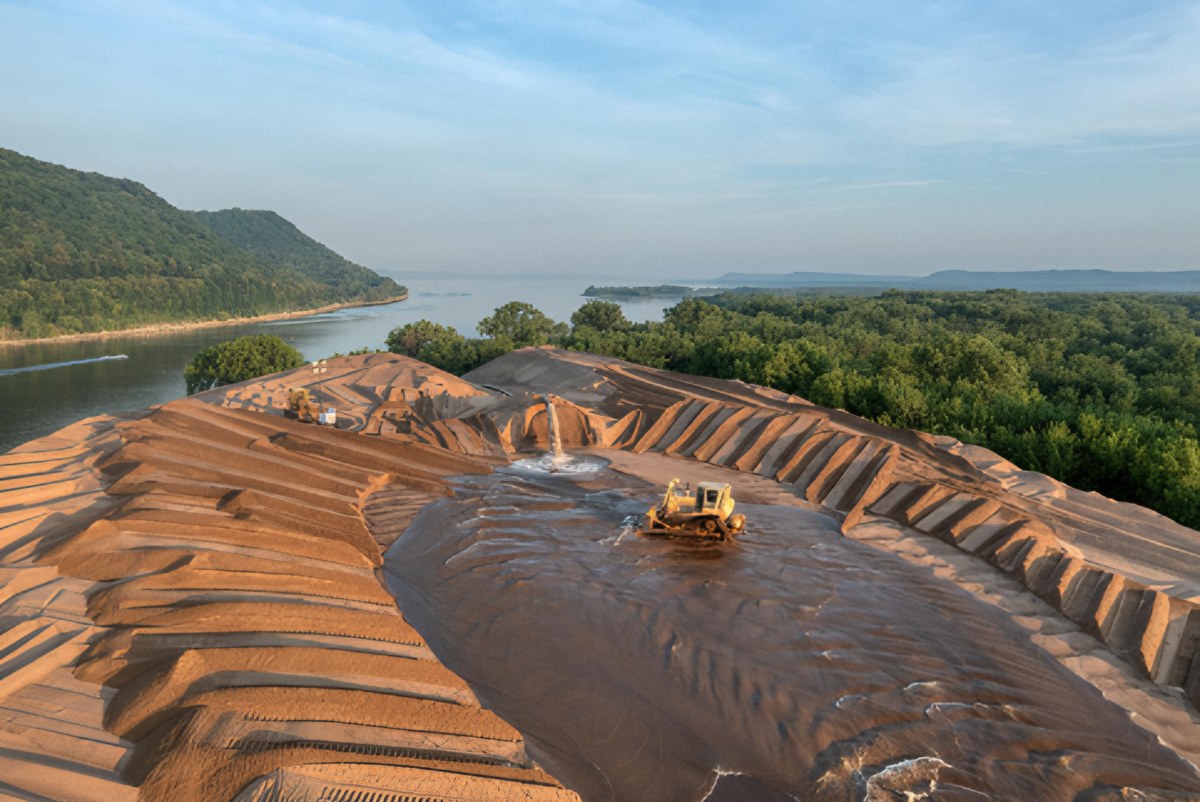
Downtime’s root causes are rarely isolated. They’re embedded in systems, habits, and blind spots. For example:
• Hydraulic systems power most heavy-duty construction equipment and play a critical role in overall performance. However, issues such as contamination, fluid degradation, and subtle pressure imbalances can gradually undermine system reliability — potentially leading to significant equipment downtime if left unaddressed.
• Deferred maintenance, often due to budget constraints or misaligned priorities, can create cascading failures. What starts as a small leak or vibration anomaly can lead to widespread mechanical damage and unexpected shutdowns.
• Disconnected data systems and siloed platforms prevent maintenance teams from linking early warning signs to asset performance outcomes — blinding them to avoidable patterns and trends.
Understanding the root causes of downtime is the first step toward eliminating it — and toward designing maintenance performance indicators that reflect real operational risk.
Downtime isn’t just a technical issue — it’s a business interruption.
Whether you’re managing an earthmoving fleet, a packaging line, or a recycling facility, the outcome is the same: unplanned downtime will quickly drive up costs.
Lost production, idle labor, missed deadlines, penalties, and reputation risk all add up — fast!
A good example comes from Lancaster Development, a heavy highway contractor in upstate New York.
In a For Construction Pros article, Equipment Manager Dan Corbett noted that unplanned downtime rates of 20–30% are common across the industry. But by adopting specialized preventive maintenance software, his team reduced that figure to just 5%.
The cost implications are substantial.
These savings scale fast across fleets.
That’s why the best maintenance KPIs ask:
• How often does equipment fail unexpectedly?
• Which systems drive the most frequent/costly issues?
• How well are we preventing breakdowns, not just reacting?
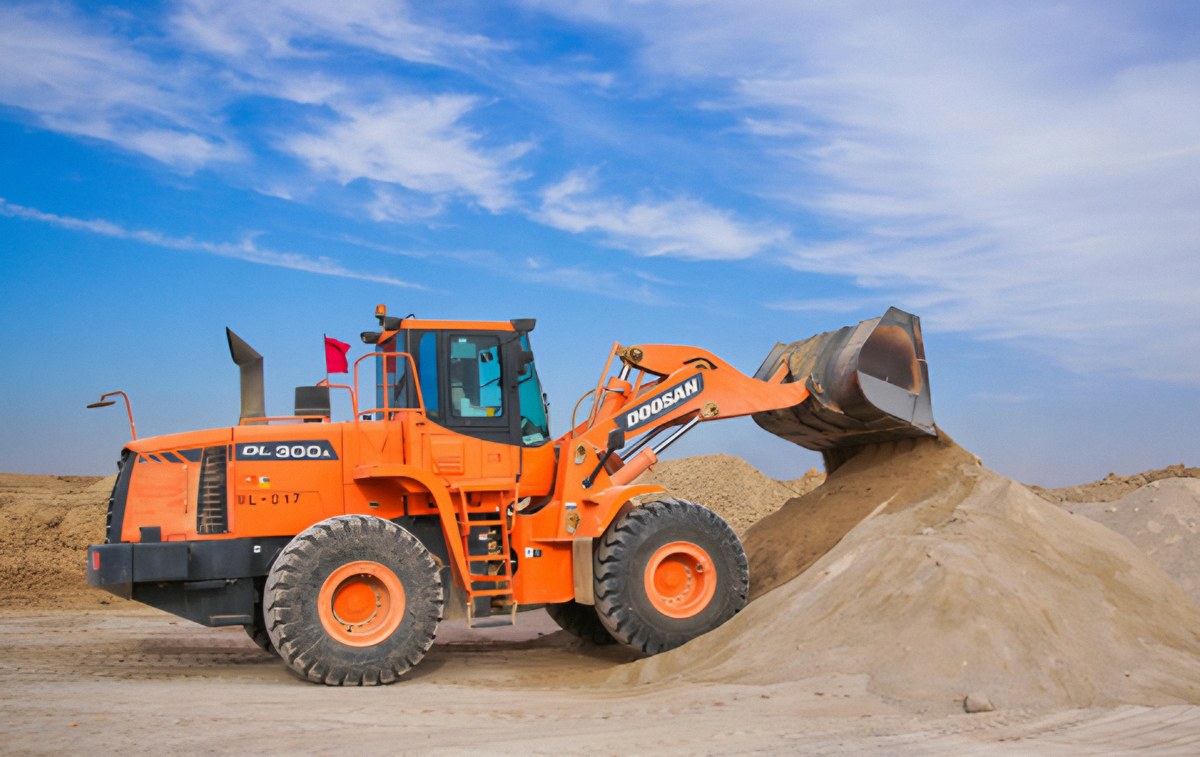
Hydraulic systems power most heavy-duty construction equipment, yet they remain a common cause of downtime. Their failure can disrupt operations across construction, manufacturing, recycling, and logistics.
Proactive hydraulic monitoring — including fluid analysis and pressure checks — can catch early issues like wear or contamination.
Cylinders, Inc. supports our partners by:
• Identifying system vulnerabilities
• Designing usage-based maintenance plans
• Sourcing performance-grade parts and fluids
• Implementing uptime-focused monitoring
We go beyond parts repair and replacement — it’s about transforming your maintenance program into a profit-protecting function.
Success in construction requires delivering project scope on time, on budget, and with robust safety and quality compliance.
It also demands resilience: predictive risk management, real-time visibility, and adaptive maintenance strategies.
Top firms are investing in predictive maintenance ecosystems using telematics, diagnostics, and asset intelligence. Their KPI strategies align with business goals:
• Reduced downtime
• Longer equipment life
• Lower total cost of ownership
• Improved safety and compliance
A recent Business Insider report on AI in industrial maintenance highlighted that predictive maintenance is expected to grow 26.5% annually, reaching $70.73B by 2032.
Industry giants like Coca-Cola and Siemens Energy are already leveraging AI-powered platforms to reduce unplanned downtime, optimize maintenance schedules, and enhance asset reliability.
For us, the message is clear: data-driven maintenance delivers a competitive edge. In construction, it is our new standard.
If your maintenance KPIs don’t show how well you’re protecting uptime, you’re missing the full picture.
Downtime is expensive. Preventive maintenance isn’t.
In today’s high-stakes construction environment, profitability often hinges on detecting what balance sheets don’t show: small leaks, slow wear, and missed signals.
Best-in-class firms view maintenance as a strategic pillar. Their KPIs measure resilience, tie uptime to revenue, and link performance to people.
They use integrated platforms that consolidate field data, cost, schedules, and resource usage into real-time dashboards — tracking earned value, percent complete, labor efficiency, and uptime.
Today’s IoT-connected equipment, mobile apps, and automated reporting is now giving us jobsite-to-boardroom visibility.
Because in this environment, visibility isn’t a luxury — it’s a competitive advantage.
And they don’t do it alone… They partner with vendors who understand that uptime isn’t just fixed — it’s engineered.
If you’re ready to move beyond repair logs and start measuring the construction project KPIs that really matter, ask yourself:
• Are our KPIs driving uptime — or just tracking repairs? • Are we treating hydraulics as a risk — or an opportunity? • Are we managing for compliance — or for advantage?
At Cylinders, Inc., we help clients build smarter maintenance strategies that drive performance. Uptime isn’t just a goal. It’s a strategy. And it’s measurable.