
Discover how hydraulic cylinder lifecycle decisions affect uptime, operating costs, and contractor ROI — from yard storage to jobsite performance.
For today’s construction leaders, profitability is no longer just driven by winning bids or expanding fleets.
Increasingly, a contractor’s Return On Investment (ROI) is shaped by how well existing assets perform over time, especially the hydraulic systems that power modern heavy equipment.
From initial storage in the yard to peak-duty operation on the jobsite, every decision made across a cylinder’s lifecycle has a direct impact on your uptime, operating costs, and long-term value of the asset.
For plant maintenance managers, fleet directors, and ops leads, hydraulic and pneumatic cylinders are not just components; they are critical performance variables that quietly determine whether a project stays on track or drifts into costly downtime.
Understanding hydraulic cylinder life expectancy and how it influences ROI is now a defining capability of the top-performing construction firms in the U.S.
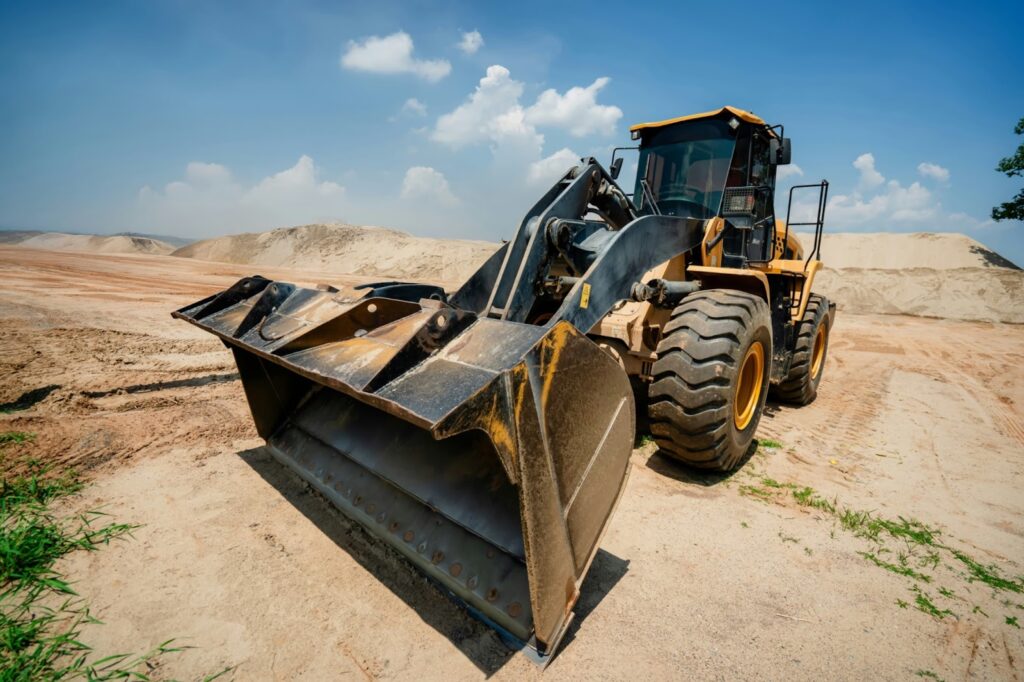
For us, the cylinder lifecycle encompasses far more than end-of-life repair or replacement. It must begin the moment equipment is delivered, continues through storage, deployment, operation, maintenance, and eventual refurbishment or retirement.
Cylinders operate at the intersection of force, motion, and control. In excavators, loaders, cranes, and material handling equipment, hydraulic cylinder performance and operating costs are directly connected.
Their performance influences machine precision, cycle time, and safety. When lifecycle decisions are reactive or fragmented, performance degradation is the inevitable result.
Hence, leading contractors now treat cylinder lifecycle management as a strategic discipline, one that connects engineering realities with business outcomes.
Unplanned downtime rarely originates at the moment of failure, too. More often, it begins months or years earlier, with decisions made in the yard or during routine operations on site:
Many of these failures are accelerated by upstream system issues, such as poor installation practices. Following hydraulic hose installation best practices, for instance, is fundamental to reducing premature cylinder wear and extending service life.
Early lifecycle missteps often accumulate quietly, only surfacing later as mid-project breakdowns that halt production and strain budgets.
From an ROI perspective, the cost rarely stops at the repair invoice, too; it also includes idle crews, missed deadlines, and potential reputational damage.
Uptime is one of the most reliable predictors of contractor profitability. Every hour a critical machine is offline reduces revenue-generating capacity while your fixed costs continue to accrue.
Hydraulic cylinder failure is a common root cause of extended downtime because cylinders sit at the heart of mechanical, hydraulic, and control systems.
A single compromised cylinder can immobilize an entire asset, and according to Fleet Rabbit’s Predictive Diagnostics for Heavy Equipment in 2026 report:
“Hydraulic failures account for 40–50% of all heavy equipment breakdowns, yet most are entirely preventable with proper monitoring.”
That aligns closely with our experience; hydraulic issues consistently rank among the leading causes of operational stoppages across the construction fleets we partner with.
Leading organizations now tie cylinder lifecycle decisions directly to uptime metrics, knowing that small gains in service life can yield significant financial returns across their fleet.
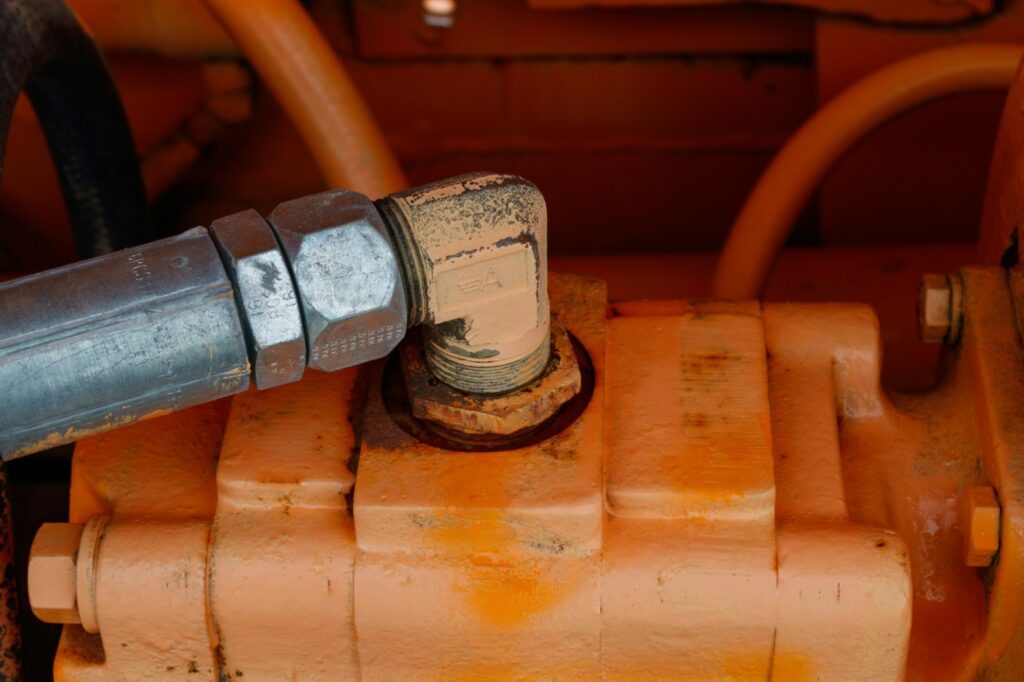
One of the most consequential lifecycle decisions contractors face is whether to repair or replace hydraulic cylinders.
While replacement may seem the quick and easy fix, it is rarely the most cost-effective choice when considered across the full lifecycle of a machine.
Our precision cylinder repairs restore components to OEM spec, preserving performance while significantly reducing capital expenditure.
When repairs are carried out by experienced specialists, we can also include material upgrades and advanced surface treatments that extend future service intervals.
These strategic decisions are best informed by robust hydraulic cylinder audits that identify wear patterns, exposure risks, and early failure indicators before breakdowns occur.
From an ROI standpoint, repair decisions made within a structured lifecycle strategy improve asset utilization, reduce lead times, and stabilize maintenance budgets. Replacement then becomes a targeted decision rather than a default reaction.
In construction, repair quality and turnaround time are equally critical. A delayed or imprecise repair introduces compounding costs across schedules and crews.
High-performing contractors partner with specialist cylinder repair providers because we combine engineering-grade diagnostics with rapid execution. Precision measurement, controlled machining, and rigorous quality assurance ensure repaired cylinders return to service without introducing new failure risks.
At Cylinders, Inc., we exemplify this, delivering fast, reliable restoration that aligns with operational urgency. With this level of service, your repairs will shift from a bottleneck to a powerful reliability lever.
The leading construction firms are also moving beyond reactive maintenance toward lifecycle visibility, increasingly supported by the latest in AI-driven analytics.
By combining cylinder performance data, exposure conditions, inspection findings, and service history, AI tools help identify patterns and predict the risk of failure well before issues surface on site.
For example, fluid integrity plays a critical role in this process. Choosing the right hydraulic oil directly impacts seal life, internal wear rates, and overall cylinder longevity.
AI-assisted monitoring of hydraulic oil condition helps detect contamination, oxidation, and wear particles early, allowing teams to act before the damage accelerates.
This AI-enabled-data-driven approach allows maintenance teams to intervene at optimal points in the cylinder lifecycle, preventing unplanned downtime, while ensuring maximum value is extracted from each component before repair or replacement.
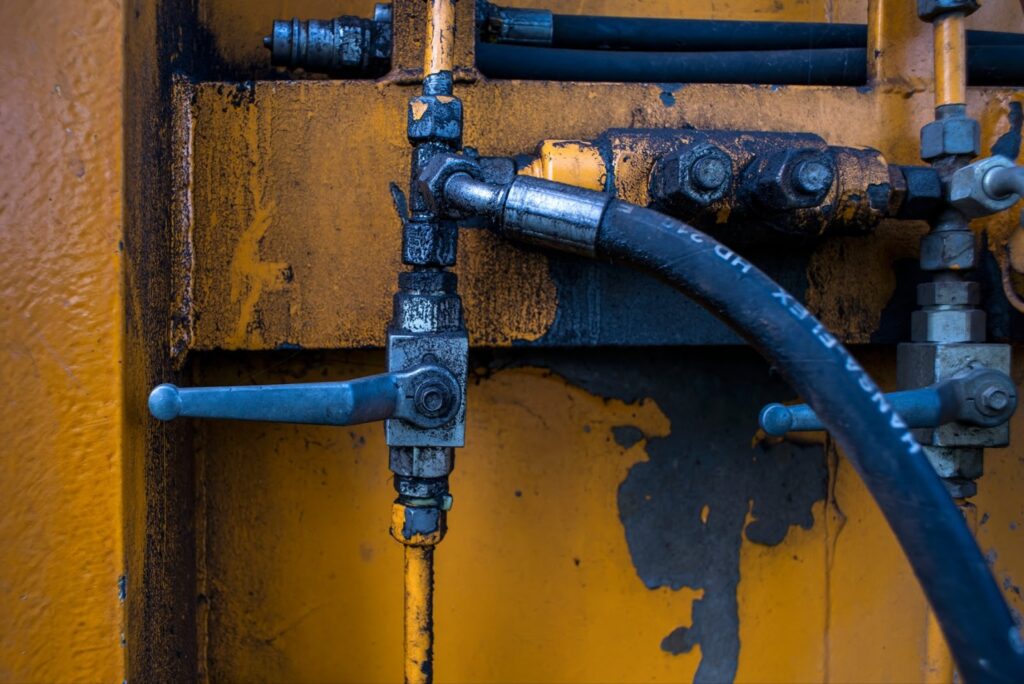
When cylinder lifecycle decisions are fragmented or deferred, financial consequences ripple far beyond the maintenance department.
Unexpected downtime drives up overtime labor costs, rental equipment expenses, expedited shipping fees, and project delays. Over time, these costs erode margins and weaken competitive positioning.
Conversely, disciplined lifecycle management stabilizes your operating expenses and improves bid accuracy. Contractors who understand the true cost of cylinder failure can account for risk more accurately and win work more consistently.
At a macro level, construction leaders often focus on utilisation rates, project velocity, and a return on their invested capital. At the micro level, these outcomes are shaped by seals, rods, fluid integrity, and tolerances inside hydraulic cylinders.
The cylinder lifecycle is the connective tissue between the two. Decisions made at the component level ultimately define fleet-wide reliability and financial performance.
By aligning cylinder lifecycle strategy with your broader operational goals, you can close the gap between engineering detail and executive insight.
As construction projects grow more complex and margins tighten, lifecycle strategy is what will separate the wheat from the chaff.
Organizations that invest in disciplined cylinder lifecycle management, supported by expert repair partners, predictive insight, and precision execution, will achieve higher uptime, lower total cost of ownership, and thus a healthier ROI.
From yard to jobsite, every cylinder decision matters. For today’s construction leaders, mastering the cylinder lifecycle is no longer optional; it is foundational to sustainable profitability!For more insight on uptime, reliability, and asset performance, explore our hydraulic maintenance best practices.