
Discover how environmental exposure impacts hydraulic cylinder life and what top-performing construction fleets do to reduce downtime and costs.
In construction and heavy equipment, the environment is rarely forgiving. Coastal air, humidity, rain, and snow create a constant assault on hydraulic systems.
For plant maintenance managers, fleet directors, and operations leaders, this exposure to the elements represents more than just environmental wear and tear; it is a direct threat to hydraulic cylinder life expectancy and, by extension, uptime, safety, and profitability.
Hydraulic cylinders are central to the performance of excavators, loaders, cranes, and other heavy machinery. When cylinders fail, machines stop. And when machines stop, projects fall behind schedule, budgets inflate, and productivity grinds to a halt.
Understanding how salt air and moisture attack hydraulic cylinders, and why managing that exposure matters, is critical for maintaining uptime and controlling costs in modern construction operations.
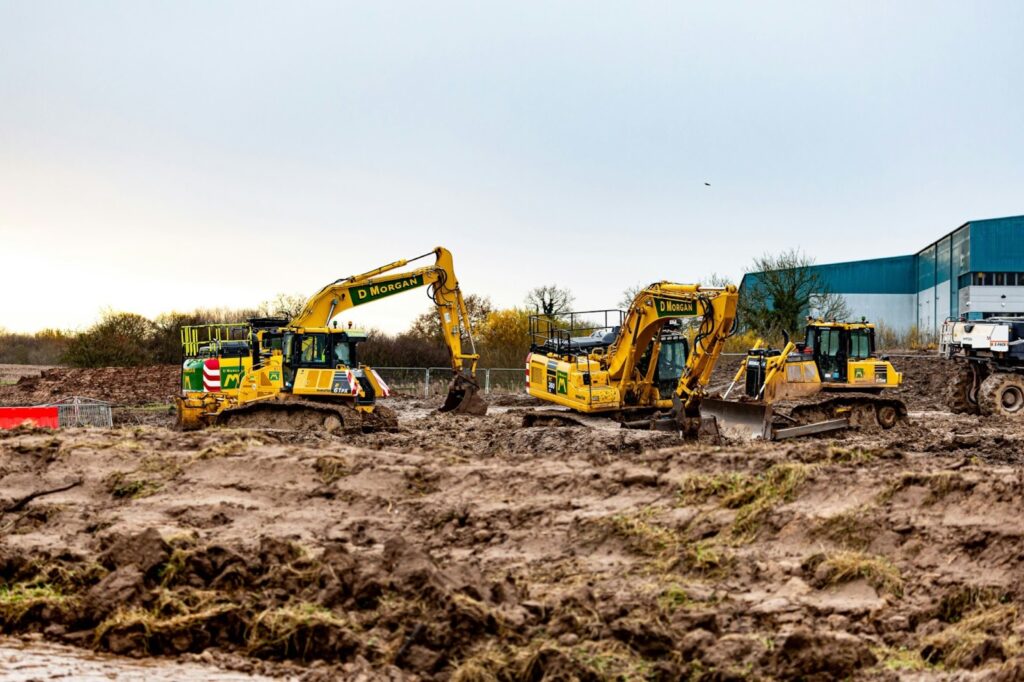
Salt air and moisture are two of the most aggressive accelerants of hydraulic system degradation.
While most organisations account for abrasive wear and mechanical fatigue, environmental exposure is often underappreciated until failures start to hit the bottom line.
In coastal settings and on jobsites near water, salt in the air and increased moisture dramatically speed up corrosion on cylinder rods, barrels, fittings, and mounting surfaces.
Moisture, whether from rain, humidity, or even just hosing down at the end of shift, can penetrate seals and compromise hydraulic fluid integrity.
Together, these elements initiate a cascade of micro-level damage that can ultimately manifest as macro-level operational disruption.
Top-performing firms understand that hydraulic cylinder performance and operating costs are shaped not just by load cycles, but also by environmental exposure, which they can actively control.
Corrosion is one of the most common root causes of early hydraulic cylinder failure.
Salt air deposits chloride ions onto exposed metal surfaces, accelerating electrochemical reactions that degrade protective coatings and base metals faster than many expect.
On a micro level, pitting on a cylinder rod will damage seals with each stroke, leading to fluid leakage, contamination ingress, and reduced system efficiency.
Over time, what begins as surface degradation will eventually become a system-wide reliability issue.The leading organizations we partner with incorporate strategic hydraulic cylinder audits to monitor corrosion, identify early damage, and plan repairs before failure impacts their operations.
Moisture without salt is an equally destructive force, particularly when it infiltrates hydraulic fluid.
Water contamination reduces lubrication, accelerates wear on internal components, and promotes microbial growth in certain fluid formulations, which can break down additives and compromise overall system performance.
In the hydraulic cylinders themselves, moisture can compromise seals and internal surfaces, increasing friction and accelerating component wear.
Under the cold conditions of a Chicago winter, moisture can freeze, causing micro-cracking and seal failure; in warmer climates, it accelerates oxidation and fluid degradation.
High-performing maintenance teams implement moisture-control strategies such as fluid analysis, desiccant breathers, and controlled washdown protocols. Choosing the right hydraulic oil is also a critical step in preventing fluid degradation and extending the life of your cylinders.
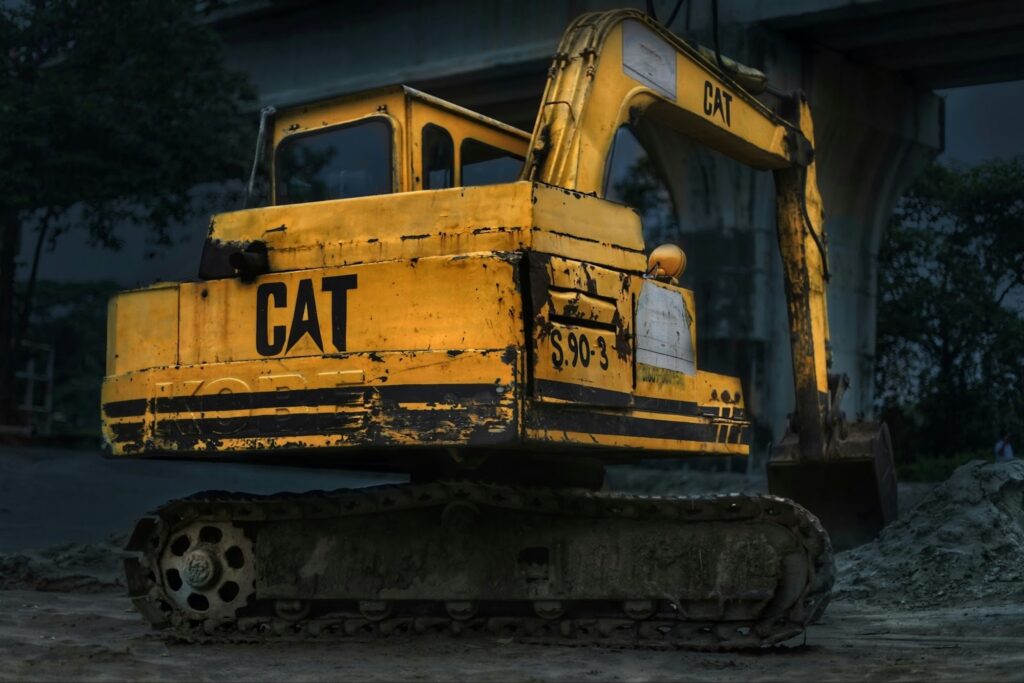
Every hour of equipment downtime carries measurable financial consequences.
Lost productivity, idle crews, delayed project milestones, and contractual penalties can quickly outweigh the cost of preventive maintenance or professional cylinder repairs.
It’s common knowledge that hydraulic cylinder failure is a leading contributor to unplanned downtime in heavy equipment. Environmental factors only amplify this risk, particularly in regions with high humidity, frequent precipitation, or coastal exposure.
Hydraulic cylinder life needs to be a strategic KPI, not an afterthought. Extending it drives higher fleet availability, reduces total cost of ownership, and delivers predictable maintenance budgets.
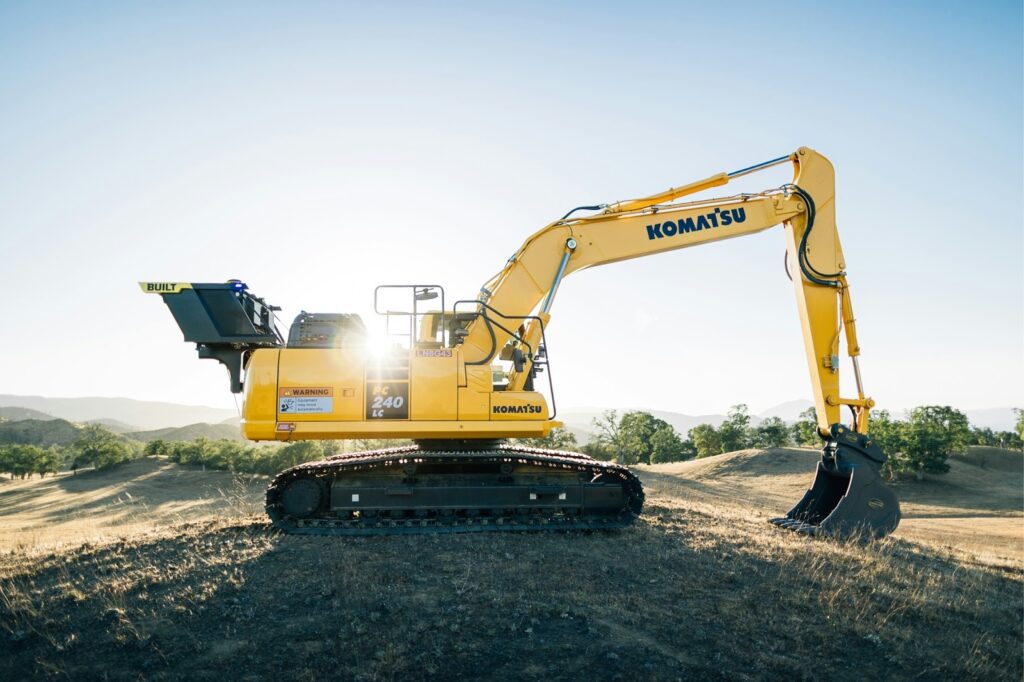
The top-performing construction organizations take a proactive, systems-level approach to environmental risk.
Rather than reacting to failure, they integrate environmental exposure into their maintenance planning, procurement decisions, and operational protocols:
Operational Best Practices
Controlled storage, protective covers, and disciplined washdown procedures reduce unnecessary exposure to salt and moisture.
We can’t avoid it, so when environmental exposure inevitably impacts hydraulic cylinder life, repair speed and precision become critical.
Delays in cylinder rebuilding and restoration can stall entire fleets, while substandard repairs introduce safety and reliability risks.
An expert repair partner delivers more than mechanical restoration alone: Engineering-level diagnostics, precision machining, and disciplined quality assurance to extend cylinder service life beyond baseline expectations are non-negotiable. This methodology mirrors the principles behind our hydraulic cylinder performance audits, where expert maintenance is linked directly to fleet-wide ROI. We are combining technical expertise with rapid turnaround capabilities to help you minimize your downtime and protect your project schedules.
Construction leaders increasingly recognize that macro-level performance metrics such as project timelines, equipment utilization, and budget adherence are directly influenced by micro-level system components like hydraulic cylinders.
Salt air and moisture represent environmental variables that bridge these scales:
Incorporating hydraulic maintenance best practices ensures environmental risks are mitigated and that micro-level reliability supports macro-level operational outcomes.
As climate variability increases, environmental resilience will become a defining factor in fleet performance.
Organizations that proactively address salt and moisture exposure will outperform their peers in uptime, safety, and cost control.
Investing in advanced materials, predictive maintenance, and expert repair partnerships will position your company to navigate environmental challenges with confidence.
Hydraulic cylinder life, once considered a technical detail, is now a strategic lever for operational excellence.
For plant maintenance managers, fleet directors, and ops leaders, the message is clear: Environmental exposure is not an uncontrollable variable!
With the right strategies and a partner like us in your corner, it becomes a manageable risk and a way to turn reliability into a competitive advantage.